
Best Time to Buy an Extended Warranty on a Used Vehicle

What Is an Extended Warranty on a Used Vehicle?

An extended warranty for a used car is generally a vehicle service contract that provides specified repair coverage after the original manufacturer’s warranty has expired or for additional protection during the ownership period.

Depending on the contract, coverage may apply to components such as:

  • Engine
  • Transmission
  • Drivetrain
  • Electrical systems
  • Air conditioning
  • Steering components
  • Other specified mechanical or electrical parts

However, every contract is different.

Some plans provide broad, exclusionary coverage, while others cover only specifically listed components. Deductibles, exclusions, mileage limits, repair-facility requirements, and claim procedures can also vary.

That is why the best time to buy an extended warranty on a used vehicle depends on more than just the vehicle’s age.


When Is the Best Time to Buy an Extended Warranty?

There is no single date that is best for every used vehicle.

In many situations, the most practical time to evaluate an extended warranty is before the manufacturer’s original warranty expires, particularly if you intend to keep the vehicle for several more years.

Buying earlier may give you more coverage options, but it does not automatically mean the warranty will provide better value.

The decision should consider:

  • Vehicle age
  • Current mileage
  • Remaining factory warranty
  • Vehicle reliability
  • Maintenance history
  • Expected ownership period
  • Potential repair costs
  • Warranty price
  • Coverage exclusions
  • Deductible
  • Contract mileage and time limits

A simple rule

Don’t wait until your vehicle develops a serious problem before researching warranty coverage.

A vehicle service contract may have eligibility requirements, waiting periods, inspections, or exclusions relating to pre-existing conditions.

Researching your options while the vehicle is still in good operating condition gives you more time to understand the contract and compare alternatives.


Buying an Extended Warranty When Purchasing a Used Car

Buying a used vehicle is one of the most common times consumers consider additional protection.

However, you don’t necessarily have to purchase the warranty immediately from the dealership.

Take time to understand what coverage the vehicle already has.

Before purchasing, ask:

  • Is the manufacturer’s warranty still active?
  • Is the original warranty transferable?
  • What mileage remains under the factory warranty?
  • Does the vehicle have an existing service contract?
  • What repairs have already been performed?
  • Does the vehicle have a clean maintenance history?
  • What would the additional warranty actually cover?

The Federal Trade Commission recommends understanding what coverage a vehicle already has before purchasing additional service-contract protection and checking whether the additional contract duplicates existing coverage.

This can help you avoid paying for protection you may already have.


Buying Before the Manufacturer Warranty Expires

For many used-car owners, this is an important point to consider.

If the vehicle is still covered by the manufacturer’s warranty, you can research your extended warranty options before that coverage ends.

Potential advantages include:

  • More time to compare providers
  • Better understanding of available coverage
  • Less pressure to make a decision immediately after a breakdown
  • Potential access to plans with different eligibility requirements
  • More predictable protection after factory coverage ends

However, an extended warranty is not automatically necessary just because the manufacturer’s warranty is ending.

Review the vehicle’s reliability, your financial situation, expected ownership period, and the actual contract before purchasing.


Can You Buy an Extended Warranty After the Factory Warranty Expires?

Potentially, yes.

Some providers offer vehicle service contracts for vehicles whose original manufacturer’s warranty has already expired.

However, eligibility can depend on factors such as:

  • Vehicle age
  • Mileage
  • Make and model
  • Vehicle condition
  • Maintenance history
  • Inspection requirements
  • Provider-specific eligibility rules

A post-factory-warranty purchase may also involve different pricing or coverage options.

This is why it is better to research your choices before you urgently need coverage.


Should You Buy a Warranty for a High-Mileage Used Vehicle?

A high-mileage vehicle may have a greater likelihood of needing certain repairs as it ages, but mileage alone should not determine whether you purchase an extended warranty.

Consider the complete picture.

High mileage may make coverage worth considering if:

  • You plan to keep the vehicle for several years.
  • You depend heavily on the vehicle.
  • A major repair would create financial difficulty.
  • The vehicle has expensive mechanical or electrical components.
  • The vehicle has been properly maintained.
  • The contract provides meaningful coverage for your vehicle.

A warranty may be less attractive if:

  • The contract excludes many components likely to require repairs.
  • The vehicle has a history of significant problems that may be considered pre-existing.
  • The warranty cost is disproportionately high.
  • You have enough savings to comfortably handle unexpected repairs.
  • You plan to sell the vehicle soon.

The goal should be to evaluate risk versus cost, rather than buying coverage simply because the odometer has reached a particular number.


Factors That Affect the Best Time to Buy

1. Vehicle Age

Older vehicles may face different repair risks than newer vehicles.

As a vehicle ages, examine whether the cost of potential repairs justifies purchasing additional protection.


2. Mileage

Mileage can influence both the likelihood of repairs and eligibility for certain service contracts.

Always check the contract’s mileage limits before buying.


3. Remaining Manufacturer Coverage

If your used vehicle still has significant factory warranty coverage, determine exactly what is already protected.

You may not need additional coverage immediately.


4. Vehicle Reliability

Research your specific make and model rather than assuming every used vehicle has the same repair risk.

Consider known mechanical issues, repair history, and long-term ownership costs.


5. Maintenance History

A well-maintained used vehicle may present a different risk profile from a similar vehicle with incomplete service records.

Look for documentation showing regular maintenance and previous repairs.


6. How Long You Plan to Keep the Vehicle

If you plan to own the vehicle for only a short period, an extended warranty may provide less opportunity to benefit from the coverage.

If you plan to keep it for several years, additional protection may be more relevant.


7. Your Emergency Savings

Ask yourself:

“If my vehicle needed a $3,000 repair tomorrow, could I comfortably pay for it?”

If the answer is no, an extended warranty may be worth considering as a way to manage the risk of certain unexpected covered repairs.

If you already have substantial savings specifically allocated for vehicle repairs, self-insuring may be another option to evaluate.


What to Check Before Buying a Used Car Warranty

Never evaluate a warranty based solely on its advertised price.

Review the actual contract.

Coverage

Identify the components and repairs covered by the agreement.

Exclusions

Find out what isn’t covered.

An agreement can sound comprehensive while excluding specific parts, conditions, or types of damage.

Deductible

Determine how much you must pay when a covered repair occurs.

Also check whether the deductible applies per repair visit or according to another structure.

Waiting Period

Some contracts may include a waiting period before certain coverage becomes available.

Mileage and Time Limits

Check both.

A contract advertised for a specific number of years may also end when the vehicle reaches a particular mileage.

Repair Facility Requirements

Determine whether you can choose your own mechanic or whether the contract requires an authorized facility.

Prior Authorization

Find out whether the warranty provider must approve repairs before work begins.

Cancellation Policy

Understand whether you can cancel the contract, how refunds are calculated, and whether any fees apply.

Transferability

If you sell the vehicle, determine whether the contract can be transferred to the next owner.


A Practical Timeline for Used-Car Warranty Decisions

At the Time of Purchase

Review the vehicle’s existing warranty and service history.

Don’t assume the dealership’s warranty presentation is your only option.

Several Months Before Factory Coverage Ends

Start comparing extended warranty providers and contracts.

This gives you time to review exclusions, pricing, and coverage.

After Factory Coverage Ends

You may still have options, depending on vehicle eligibility.

Compare the cost and coverage carefully before purchasing.

As Mileage Increases

Reassess your vehicle’s repair risk, expected ownership period, and financial ability to cover unexpected repairs.


Common Mistakes to Avoid

Waiting Until the Vehicle Breaks Down

A serious mechanical problem may create coverage complications, particularly if the issue is considered pre-existing.

Buying Based Only on Monthly Price

A low monthly payment does not necessarily mean a low total cost.

Calculate the complete contract cost.

Ignoring Exclusions

The exclusions section can be just as important as the coverage section.

Assuming Everything Is Covered

An extended warranty is not automatically bumper-to-bumper protection.

Forgetting the Deductible

A warranty can cover a large repair while still requiring you to pay a deductible.

Not Checking Mileage Limits

Make sure the contract remains active for as long as you expect to own the vehicle.

Failing to Compare Contracts

Different providers may offer substantially different coverage, exclusions, claim procedures, and pricing.


How to Decide If Now Is the Right Time

Use this quick checklist before purchasing an extended warranty for your used vehicle:

  • I know whether my manufacturer’s warranty is still active.
  • I know my vehicle’s current mileage.
  • I have reviewed the vehicle’s maintenance history.
  • I know how long I plan to keep the vehicle.
  • I understand the warranty’s covered components.
  • I have reviewed the exclusions.
  • I know the deductible.
  • I understand the waiting period.
  • I know the contract’s mileage and time limits.
  • I understand the claim and repair process.
  • I have compared more than one coverage option.
  • I know the total cost of the contract.

If you cannot answer these questions, take more time to review the agreement before making a purchase.


Frequently Asked Questions

What is the best time to buy an extended warranty on a used vehicle?

There is no universal best time. Many owners choose to evaluate coverage while the vehicle is still within its original warranty period, but the right timing depends on the vehicle’s age, mileage, condition, remaining coverage, and expected ownership period.

Can I buy an extended warranty after buying a used car?

In many cases, potentially yes. Eligibility varies between vehicle service contract providers and can depend on the vehicle’s age, mileage, condition, and other requirements.

Is it better to buy an extended warranty from a dealership?

Not necessarily. Dealerships may offer service-contract options, but consumers can compare different providers and contracts. Focus on the actual coverage, exclusions, price, deductible, and contract terms rather than where the contract is sold.

Can I buy an extended warranty after my factory warranty expires?

Potentially. Some providers offer coverage after factory protection ends, although eligibility and pricing can vary. It is useful to research your options before the manufacturer’s warranty expires.

Is an extended warranty worth it on a high-mileage used car?

It can be, particularly if you plan to keep the vehicle and want protection from certain expensive covered repairs. However, high mileage can also affect eligibility, price, exclusions, and coverage terms.

Does an extended warranty cover pre-existing problems?

Many vehicle service contracts exclude pre-existing conditions. Always review the contract and understand when coverage becomes effective.

Can I cancel an extended warranty?

Cancellation rights depend on the specific agreement and applicable laws. Check the contract for cancellation deadlines, refund rules, and applicable fees.

What should I look for in an extended warranty for a used car?

Focus on coverage, exclusions, deductible, waiting period, mileage and time limits, repair-facility requirements, prior authorization, cancellation terms, and the claim process.


Protect Your Used Vehicle With Auto Advantage

The best time to buy an extended warranty on a used vehicle isn’t necessarily the day you purchase the car. It is the point when the coverage provides meaningful protection at a cost that makes sense for your vehicle, ownership plans, and financial situation.

Before purchasing, review your existing warranty, inspect the vehicle’s maintenance history, understand its potential repair risks, and carefully compare the terms of available vehicle service contracts.

Most importantly, don’t wait until a major mechanical problem occurs to start thinking about protection.

Explore Your Vehicle Protection Options With Auto Advantage

Auto Advantage can help you understand the factors that matter when evaluating an extended warranty for a used vehicle.

If you’re buying a used car, approaching the end of your factory warranty, or simply want to understand your vehicle protection options, contact Auto Advantage today.

Make the decision based on the coverage—not just the price—and choose protection that fits your vehicle and your long-term ownership plans.
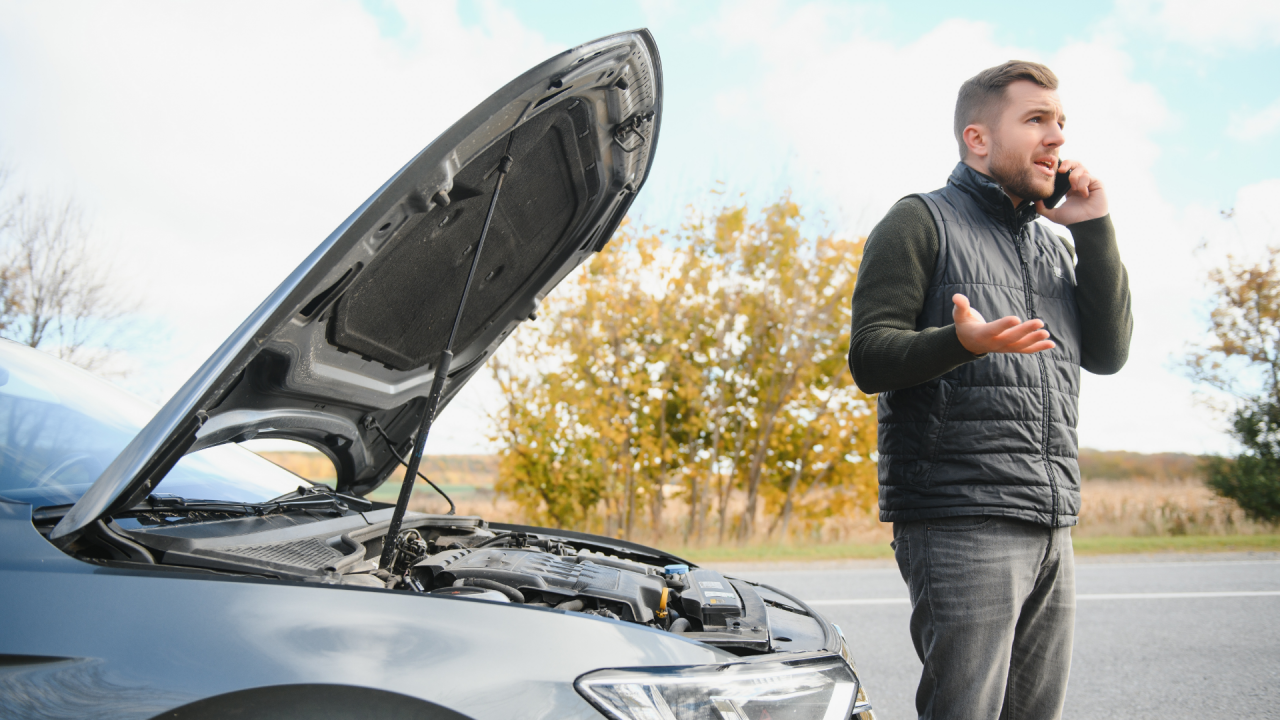

What to Do When Your Car Breaks Down With Warranty Coverage

What Should You Do When Your Car Breaks Down?

When your car breaks down with warranty coverage, your first priority should be safety. Once you and your passengers are in a safe location, follow the procedures outlined in your manufacturer’s warranty, extended warranty, or vehicle service contract.

Having warranty coverage does not necessarily mean you can take the vehicle to any repair shop and automatically have the repair paid for.

Depending on the agreement, you may need to:

  • Contact roadside assistance
  • Notify the warranty provider
  • Use an authorized repair facility
  • Obtain prior authorization
  • Pay a deductible
  • Provide maintenance records
  • Follow specific claim procedures

The Federal Trade Commission advises consumers to review their auto service contract to understand where repairs can be performed, whether pre-approval is required, what towing or rental expenses may be covered, and how claims and reimbursement work.

Knowing these steps before an emergency happens can make a stressful breakdown much easier to manage.


Step 1: Get Yourself and Your Passengers to Safety

If your vehicle stops working while you’re driving, safety comes before the warranty claim.

If possible:

  1. Move the vehicle away from traffic.
  2. Turn on your hazard lights.
  3. Pull onto the shoulder or another safe location.
  4. Keep passengers away from moving traffic.
  5. Call emergency services if there is an immediate danger or an accident.
  6. Do not attempt repairs in an unsafe location.

If the vehicle is smoking, overheating, leaking fuel, or showing signs of a serious mechanical problem, avoid attempting to drive it further.

Do not risk additional damage or personal injury simply to get the vehicle to a repair facility.


Step 2: Check Your Warranty or Vehicle Service Contract

Once you’re safe, locate your warranty documents.

This is important because an extended warranty or vehicle service contract does not necessarily cover every type of breakdown.

An extended service contract may cover specific repairs or components, while excluding normal wear and tear, accident-related damage, routine maintenance, or other conditions.

Look for information about:

  • Covered components
  • Exclusions
  • Deductible
  • Roadside assistance
  • Towing benefits
  • Rental vehicle benefits
  • Authorized repair facilities
  • Prior authorization
  • Claim procedures
  • Coverage limits
  • Contract administrator

If you have a digital copy, keep it accessible on your phone.


Step 3: Contact Roadside Assistance

If your contract includes roadside assistance, contact the appropriate provider.

Depending on your coverage, roadside assistance may include services such as:

  • Towing
  • Jump-start assistance
  • Flat-tire assistance
  • Lockout service
  • Fuel delivery
  • Emergency roadside support

However, don’t assume that every roadside expense is automatically covered by your warranty.

The FTC specifically recommends checking whether an auto service contract covers towing and rental vehicle expenses because coverage can have limits.

Important:

Before arranging an expensive tow independently, check your contract if the situation allows.

You may need to use a specific provider or obtain authorization before certain expenses are reimbursed.


Step 4: Contact Your Warranty Provider Before Authorizing Repairs

This is one of the most important steps when your car breaks down with warranty coverage.

Don’t automatically authorize a major repair simply because your vehicle has an extended warranty.

Call the warranty administrator or provider and explain:

  • Your vehicle’s current location
  • The problem you’re experiencing
  • Your vehicle identification number (VIN)
  • The mileage
  • Where the vehicle will be inspected
  • The name of the repair facility

Ask whether the repair requires prior authorization.

Some auto service contracts require approval before repair work or towing services are performed.

Why prior authorization matters

If you authorize expensive work without following the contract’s required procedure, you could create a dispute over whether the provider is responsible for the bill.

Always follow the written claim procedure whenever possible.


Step 5: Take Your Vehicle to an Authorized Repair Facility

Your warranty contract may specify where covered repairs can be performed.

Some service contracts provide a network of approved repair facilities, while others may impose specific requirements on where you can take the vehicle.

Before the vehicle is towed, ask:

“Is this repair facility authorized under my warranty or vehicle service contract?”

Also ask whether the facility can communicate directly with the warranty administrator.

This can make the claim process easier because the repair shop may be able to provide:

  • Diagnostic information
  • Repair estimates
  • Parts information
  • Labor estimates
  • Maintenance records
  • Claim documentation

Step 6: Get a Diagnosis and Repair Estimate

Once the vehicle reaches the repair facility, a technician should diagnose the problem.

Ask for a written estimate that identifies:

  • Failed component
  • Cause of failure
  • Required repairs
  • Parts costs
  • Labor costs
  • Diagnostic charges
  • Applicable taxes or fees
  • Estimated completion time

Do not assume every item on the repair estimate will be covered.

The warranty provider may determine that some components are covered while others are excluded.

For example, a contract may cover a particular mechanical component but exclude related parts or damage caused by another condition.


Step 7: Wait for Claim Authorization

After diagnosis, the repair facility may submit the claim to the warranty administrator.

The administrator may review:

  • The contract
  • Vehicle mileage
  • Vehicle history
  • Diagnostic findings
  • Maintenance records
  • Repair estimate
  • Covered and excluded components

The provider may approve the entire repair, approve only certain portions, request additional information, or deny the claim.

The FTC recommends understanding how the claim process works, including how covered repairs are authorized and how reimbursement is handled.

Don’t confuse diagnosis with approval

A mechanic saying:

“Your warranty should cover this.”

is not necessarily the same as the warranty administrator officially approving the claim.

Wait for confirmation before proceeding with major repairs when the contract requires authorization.


What Happens If Your Warranty Claim Is Denied?

A denied claim can be frustrating, but don’t immediately assume you have no options.

Start by asking for the reason for the denial.

Review the Contract

Find the section that the warranty provider used to deny the claim.

Determine whether the issue is:

  • An exclusion
  • A maintenance requirement
  • A waiting period
  • A mileage limitation
  • A pre-existing condition
  • Unauthorized repairs
  • A non-covered component
  • Lack of required documentation

Ask for the Denial in Writing

A written explanation gives you something concrete to compare against the contract.

Provide Supporting Documentation

Gather:

  • Warranty contract
  • Repair estimate
  • Diagnostic report
  • Maintenance records
  • Service receipts
  • Previous repair invoices
  • Communication with the provider

Follow the Dispute Process

Your contract may explain how to request reconsideration or resolve a disagreement about coverage.

The FTC advises consumers with service-contract disputes to deal with the contract administrator and, if the issue remains unresolved, consider contacting appropriate consumer-protection authorities.

For significant disputes, professional legal advice may also be appropriate depending on your circumstances and jurisdiction.


What Costs May Still Be Your Responsibility?

Having warranty coverage doesn’t necessarily mean your repair bill will be $0.

You may still have responsibility for certain costs depending on the contract.

Deductible

Many service contracts require a deductible when a covered repair is performed.

Non-Covered Components

If the repair involves parts that aren’t covered, you may have to pay those costs.

Maintenance

Routine maintenance such as oil changes and tire replacement is generally separate from extended warranty coverage.

Additional Labor

Some contracts may limit the labor rate they will pay.

Upgraded Parts

If you request parts or services beyond what the contract requires, the additional cost may be yours.

Towing or Rental Expenses

These benefits may have specific limits or conditions.

Always ask the warranty provider and repair facility to explain which costs are approved before authorizing additional work.


Documents You Should Keep

Good documentation can make a warranty claim easier to manage.

Keep copies of:

Warranty Documents

Save the complete contract rather than only the sales summary.

Maintenance Records

Keep receipts for oil changes, inspections, and manufacturer-recommended services.

Repair Invoices

Save all invoices, even when repairs aren’t covered.

Diagnostic Reports

Keep written explanations of mechanical or electrical failures.

Claim Numbers

Record every claim or authorization number provided by the warranty administrator.

Communication

Keep emails, letters, and other written communication relating to the claim.

The FTC recommends keeping warranty documentation and related records so you can demonstrate the applicable coverage and purchase information when needed.


Common Mistakes to Avoid After a Breakdown

1. Authorizing Major Repairs Without Checking the Contract

Always determine whether prior approval is required.

2. Assuming Every Repair Is Covered

An extended warranty is not necessarily bumper-to-bumper coverage.

3. Ignoring Maintenance Records

Your contract may contain maintenance requirements, so keep your service documentation.

4. Using an Unauthorized Repair Facility

Check the contract before choosing a repair shop.

5. Assuming Towing Is Automatically Covered

Confirm the towing benefit and any applicable limits.

6. Throwing Away Old Receipts

Previous maintenance and repair records can become important during a claim.

7. Relying Only on Verbal Promises

Get important coverage decisions and approvals in writing whenever possible.

8. Continuing to Drive a Seriously Damaged Vehicle

If continuing to drive could create a safety risk or worsen the damage, arrange appropriate assistance instead.


What If Your Manufacturer’s Warranty Is Still Active?

Before using an extended warranty or service contract, determine whether your vehicle is still covered by its original manufacturer’s warranty.

An extended service contract may overlap with existing coverage. The FTC recommends checking whether the service contract duplicates protection you already have and understanding when the additional coverage begins.

If the manufacturer’s warranty covers the breakdown, you may need to follow the manufacturer’s warranty service procedure instead.

Check:

  • Warranty expiration date
  • Mileage limit
  • Covered component
  • Authorized service requirements
  • Deductible, if any
  • Roadside assistance benefits

Understanding which warranty applies can prevent unnecessary confusion and expenses.


Extended Warranty vs. Manufacturer Warranty

These terms are often used interchangeably, but they are not necessarily the same.

A manufacturer’s warranty generally comes with the vehicle and provides coverage for specified defects or malfunctions during a defined period or mileage.

An extended warranty or vehicle service contract is generally purchased separately and provides the repair or service benefits specified in that additional contract. The FTC notes that service contracts are not warranties in the legal sense and can differ substantially in cost and coverage.

Knowing which type of coverage you have is essential when your vehicle breaks down.


Frequently Asked Questions

Does an extended warranty cover a car breakdown?

It can, but only if the cause of the breakdown involves a component or repair covered by the contract and all applicable conditions are satisfied. Coverage varies by contract.

What should I do first when my car breaks down?

Get yourself and your passengers to a safe location first. Once you’re safe, review your warranty or service contract and contact the appropriate roadside assistance or warranty provider.

Can I choose any mechanic with an extended warranty?

Not always. Some contracts have requirements regarding repair facilities. Check the contract or contact the warranty administrator before authorizing repairs.

Does an extended warranty pay for towing?

Some contracts include towing or roadside assistance, but the benefit may have limits or conditions. Check your specific contract before assuming towing is covered.

Do I need warranty approval before repairing my car?

Some contracts require prior authorization for covered repairs. Because procedures vary, contact the warranty provider before authorizing significant repairs.

What happens if my warranty claim is denied?

Ask for the reason in writing, review the relevant contract language, gather supporting records, and follow the contract’s dispute or reconsideration procedure.

Will my warranty cover the entire repair bill?

Not necessarily. Deductibles, exclusions, coverage limits, labor restrictions, non-covered components, and other contractual conditions may leave you responsible for part of the cost.

Does warranty coverage include routine maintenance?

Extended warranties and vehicle service contracts generally focus on specified repairs rather than routine maintenance. Some contracts may offer additional maintenance benefits, so review the actual agreement.

Can I use my extended warranty after a breakdown away from home?

Potentially. However, your contract may specify authorized repair facilities and claim procedures. Contact the provider before authorizing repairs and confirm what assistance is available in your location.


Get the Right Support When Your Vehicle Needs It Most

A breakdown is stressful enough without having to figure out your warranty coverage at the same time. Knowing what to do can help you avoid unnecessary expenses and prevent mistakes during the claim process.

When your car breaks down with warranty coverage, remember the basic sequence:

Stay safe → Check your coverage → Arrange approved roadside assistance → Contact the warranty provider → Use an authorized repair facility → Get a diagnosis → Obtain claim authorization → Keep your records.

Your warranty is only useful when you understand how to use it. Coverage, exclusions, deductibles, repair-facility requirements, and authorization procedures can all affect the final outcome of a claim.

Protect Your Vehicle With Confidence From Auto Advantage

Auto Advantage helps vehicle owners understand their vehicle protection options and make more informed decisions about extended warranties and vehicle service contracts.

If you’re considering an extended car warranty or want to understand your available vehicle protection options, contact Auto Advantage today.

Don’t wait until a breakdown leaves you stranded. Understand your coverage, know the claim process, and choose vehicle protection that fits your needs.

When Does an Extended Warranty Actually Pay for Itself?

What Does It Mean for an Extended Warranty to Pay for Itself?

An extended warranty generally “pays for itself” when the amount the warranty provider pays toward covered repairs is greater than the total amount you spend on the warranty and any applicable deductibles.

For example, suppose you purchase an extended car warranty for $2,000 and later have $4,000 worth of eligible repairs covered under the contract. If you pay a $100 deductible, the warranty could provide substantially more in covered repair benefits than you paid for the contract.

However, calculating the value of an extended auto warranty is not always that simple.

A warranty may cover some repairs while excluding others. It may also have deductibles, waiting periods, coverage limits, labor-rate restrictions, or other conditions.

Therefore, the better question is not simply:

“Will my warranty pay for itself?”

Instead, ask:

“Does the financial protection provided by this contract justify its cost based on my vehicle and risk of expensive repairs?”


How to Calculate Whether an Extended Warranty Is Worth It

A basic calculation can help you understand the potential financial value of a vehicle service contract.

Simple formula

Potential warranty value = covered repair costs paid by the provider − warranty cost − deductibles and other applicable expenses

For example:

  • Extended warranty cost: $2,200
  • Covered repair #1: $1,500
  • Covered repair #2: $1,200
  • Deductibles: $200 total

The potential value would be:

$1,500 + $1,200 − $2,200 − $200 = $300

In this simplified example, the warranty would have provided $300 more in covered repair benefits than the owner’s total warranty-related cost.

However, this calculation should not be treated as a guarantee of future savings. You cannot know in advance exactly which repairs your vehicle will require or whether a particular repair will qualify for coverage.


The Main Factors That Determine Warranty Value

1. Your Vehicle’s Age

As vehicles become older, the likelihood of certain mechanical or electrical problems can increase.

An older vehicle may have a greater need for protection against expensive repairs, although age alone should not determine whether you purchase an extended warranty.

Consider the vehicle’s:

  • Age
  • Mileage
  • Reliability history
  • Maintenance history
  • Previous repairs
  • Expected ownership period

2. Your Vehicle’s Mileage

Mileage is another important consideration.

A vehicle with relatively low mileage may have fewer immediate repair concerns, while a higher-mileage vehicle may be approaching the point where certain expensive components require attention.

However, mileage does not automatically mean a warranty is a good or bad investment.

The vehicle’s make, model, maintenance history, driving conditions, and contract terms should also be considered.


3. Expected Repair Costs

One of the strongest reasons to consider an extended auto warranty is the potential cost of major repairs.

Some repairs can be relatively inexpensive, while others can cost thousands of dollars.

Potentially expensive repairs can include:

  • Engine repairs
  • Transmission repairs
  • Drivetrain repairs
  • Electrical system repairs
  • Air conditioning system repairs
  • Advanced electronic component repairs

If your vehicle experiences a major covered failure, the warranty could significantly reduce your out-of-pocket expense.


4. The Warranty’s Coverage

The price of an extended warranty means little without understanding what it actually covers.

A low-cost contract with extensive exclusions may provide less practical value than a more expensive contract with broader coverage.

Look closely at:

  • Covered components
  • Excluded components
  • Consequential damage provisions
  • Wear-and-tear exclusions
  • Maintenance requirements
  • Labor limitations
  • Parts limitations
  • Claim procedures

Always compare the actual contract terms rather than relying solely on the name of the coverage package.


5. Your Deductible

A warranty with a low purchase price may still result in significant out-of-pocket costs if it has a high deductible.

Suppose:

  • Warranty cost = $1,800
  • Covered repair = $3,500
  • Deductible = $500

The warranty could still provide substantial financial protection, but your actual savings would be different from the headline repair amount.

Always calculate your potential cost using the deductible specified in the contract.


When an Extended Warranty Is More Likely to Pay for Itself

There is no guarantee that an extended warranty will pay for itself. However, certain situations can make the financial protection more valuable.

You Plan to Keep the Vehicle for Several Years

If you intend to keep your vehicle beyond the original manufacturer’s warranty period, an extended warranty may provide longer protection against eligible mechanical and electrical failures.

The longer you own the vehicle, the more opportunities there may be for covered repairs to occur.

That does not mean a long ownership period automatically makes a warranty worthwhile. The contract still needs to provide meaningful coverage at a reasonable cost.


Your Vehicle Has Expensive Components

Modern vehicles contain increasingly sophisticated mechanical, electrical, and electronic systems.

A failure involving an expensive component can create a significant repair bill.

For owners who would have difficulty handling an unexpected multi-thousand-dollar repair, an extended warranty can provide a form of financial risk management.


You Prefer Predictable Vehicle Expenses

Some vehicle owners are less concerned about maximizing every dollar and more interested in reducing the risk of a large unexpected repair bill.

An extended warranty can potentially make repair expenses more predictable by shifting some covered repair risk to the warranty provider.

This can be particularly relevant for people who prefer budgeting a known warranty cost instead of keeping a large emergency fund specifically for potential vehicle repairs.


You Drive Frequently

Higher annual mileage can mean more time and distance for components to experience wear and potential failure.

If you use your vehicle heavily, an extended warranty may provide additional value depending on the contract’s mileage limits and coverage.

Check the contract’s maximum mileage carefully before purchasing.


When an Extended Warranty May Not Pay for Itself

An extended warranty is not automatically a good financial decision for every vehicle owner.

Your Vehicle Is Highly Reliable

If your vehicle has a strong reliability history and you expect relatively low repair costs, you may pay more for the warranty than you ultimately receive in covered repair benefits.

However, reliability statistics alone should not determine the decision.


You Plan to Sell the Vehicle Soon

If you expect to sell your vehicle shortly after purchasing an extended warranty, you may have less time to benefit from the coverage.

In this situation, investigate whether the contract is transferable and whether cancellation or transfer fees apply.


The Contract Has Extensive Exclusions

A warranty can appear comprehensive while excluding many components that could potentially fail.

Always examine the exclusions carefully.

A contract that excludes major problem areas may not provide the level of protection you expect.


You Already Have Significant Savings for Repairs

If you have enough savings to comfortably cover unexpected vehicle repairs, you may decide that self-insuring is preferable to purchasing an extended warranty.

This is essentially a comparison between:

Paying a known amount for contractual protection

and

Keeping the money available to cover potential repairs yourself.


Example: Comparing Warranty Cost With Repair Costs

Consider a hypothetical vehicle owner who purchases an extended car warranty for $2,500.

During the coverage period, the vehicle experiences two covered repairs:

  • Transmission repair: $3,000
  • Electrical system repair: $1,200

Total eligible repair costs:

$4,200

Assume the owner pays $200 in deductibles.

The simplified calculation would be:

$4,200 − $2,500 − $200 = $1,500

In this hypothetical example, the owner received $1,500 more in covered repair value than the combined warranty and deductible cost.

But consider a different scenario.

The owner pays $2,500 for the warranty but only has $500 in covered repairs during the contract period.

The simplified calculation becomes:

$500 − $2,500 = −$2,000

Financially, the warranty would not have “paid for itself.”

However, this does not necessarily mean the warranty was useless. The owner also paid for protection against the possibility of a much larger covered repair.

That’s an important distinction.

An extended warranty is not only about expected savings.

It can also be about reducing financial uncertainty and protecting against large unexpected expenses.


Don’t Forget the Deductible and Contract Limits

When calculating the potential value of an extended warranty, many consumers focus only on the contract price.

That can produce an incomplete calculation.

Also consider:

Deductibles

How much will you pay when a covered repair occurs?

Maximum Coverage

Does the contract place a maximum amount on certain repairs or on total claims?

Labor Rates

Does the provider limit the labor rate it will pay?

Parts

Are replacement parts subject to specific requirements or limitations?

Coverage Period

How long does the warranty remain active?

Mileage

At what mileage does coverage end?

Authorization

Does the repair facility need authorization before performing the repair?

These details can significantly affect the real-world value of the contract.


How to Evaluate an Extended Warranty Before Buying

Before purchasing an extended warranty, use a structured approach.

Step 1: Know Your Vehicle

Review its age, mileage, maintenance history, reliability, and previous repair history.

Step 2: Estimate Potential Repair Risk

Research the types of repairs that may become relevant as the vehicle ages and accumulates mileage.

Step 3: Read the Contract

Do not rely only on advertising or a sales presentation.

Read the actual agreement.

Step 4: Review Exclusions

Determine what the warranty does not cover.

Step 5: Calculate the Total Cost

Include:

  • Warranty price
  • Deductibles
  • Applicable fees
  • Potential out-of-pocket expenses

Step 6: Understand the Claim Process

Find out how claims are submitted, who authorizes repairs, and where repairs can be performed.

Step 7: Compare Alternatives

Consider whether you would be better served by:

  • An extended warranty
  • Manufacturer-backed coverage
  • Another vehicle service contract
  • Saving money for future repairs

The goal is not simply to find the cheapest warranty.

The goal is to find coverage that provides meaningful protection for your particular vehicle and financial situation.


Extended Warranty vs. Paying for Repairs Yourself

There are two basic approaches to handling post-warranty repair risk.

Option 1: Purchase an Extended Warranty

You pay the contract cost upfront or through financing and potentially receive coverage for eligible repairs.

Potential advantages:

  • Greater predictability
  • Protection against large covered repair bills
  • Reduced financial risk
  • Additional contract benefits may be available

Potential disadvantages:

  • Upfront or financed cost
  • Deductibles
  • Exclusions
  • Coverage limitations
  • Possibility of paying for coverage without making significant claims

Option 2: Self-Insure

Instead of purchasing coverage, you keep money available for potential repairs.

Potential advantages:

  • No warranty premium
  • No contract exclusions
  • You control the repair fund
  • Unused money remains available for other purposes

Potential disadvantages:

  • You assume the entire repair risk
  • A major breakdown could cost thousands of dollars
  • You need sufficient savings available when a repair occurs

Neither approach is universally better.

The right decision depends on your vehicle, budget, risk tolerance, and the specific terms of the available coverage.


Frequently Asked Questions

How do I know if an extended warranty is worth the money?

Compare the total warranty cost with the potential cost of covered repairs, while also considering deductibles, exclusions, coverage limits, vehicle reliability, and how long you plan to own the vehicle.

Can an extended warranty actually save money?

Yes, it can save money when the provider pays for eligible repairs that would otherwise cost you more than the warranty and related out-of-pocket expenses. However, there is no guarantee that covered repairs will exceed the cost of the contract.

What happens if I never use my extended warranty?

You may receive little or no direct financial return from the contract if your vehicle does not require covered repairs. However, the contract still provided protection against the risk of potentially expensive eligible repairs during the coverage period.

Does an extended warranty cover everything?

No. Extended warranty coverage is subject to the specific contract. Exclusions, limitations, deductibles, maintenance requirements, and other conditions can apply.

Is a vehicle service contract the same as an extended warranty?

The terms are often used interchangeably in the automotive industry, but a vehicle service contract is technically a contractual agreement for specified vehicle protection and is not necessarily the same as the original manufacturer’s warranty.

Should I buy an extended warranty on a used car?

It can be worth considering, particularly if you plan to keep the vehicle for several years and want protection against potentially expensive covered repairs. Evaluate the vehicle’s condition, reliability, mileage, and the specific contract before deciding.

Can I cancel an extended warranty?

Cancellation rights depend on the contract and applicable laws. Review the agreement for cancellation deadlines, fees, refund calculations, and required procedures.

Is the cheapest extended warranty the best option?

Not necessarily. A cheaper contract may provide less coverage or contain more exclusions and limitations. Compare coverage, exclusions, deductibles, claim procedures, and total cost before making a decision.


Make Your Warranty Decision With Confidence

An extended warranty does not have to “pay for itself” in repair claims to provide value. For many vehicle owners, its primary purpose is to reduce the financial impact of an unexpected and potentially expensive breakdown.

The key is understanding what you are actually purchasing.

Before signing an extended warranty contract, compare the total cost, coverage, exclusions, deductible, mileage limits, repair requirements, and claim process. Then consider those terms alongside your vehicle’s age, mileage, reliability, and your ability to handle an unexpected repair bill.

Explore Your Vehicle Protection Options With Auto Advantage

Auto Advantage can help you better understand your vehicle protection options and the factors that should be considered before choosing an extended auto warranty.

If you are considering an extended warranty, contact Auto Advantage today to learn more about available vehicle protection options and make a decision based on your vehicle and coverage needs.

The right warranty is not necessarily the one with the lowest price—it is the one that provides meaningful protection when you need it most.

Hidden Clauses in Extended Warranty Contracts You Should Never Ignore

What Are Extended Warranty Contracts?

Extended warranty contracts are agreements designed to provide repair coverage for a vehicle after the original manufacturer’s warranty expires or for additional components and services beyond the original coverage.

For vehicles, these agreements are often called vehicle service contracts (VSCs) or extended auto warranties. Depending on the contract, coverage may include components such as the engine, transmission, drivetrain, electrical systems, air conditioning, and other mechanical parts.

However, not every extended warranty provides the same level of protection.

Two contracts may appear similar because both advertise “comprehensive coverage,” yet one may contain significantly more exclusions, limitations, deductibles, or claim requirements than the other.

That is why the most important part of an extended car warranty is often not the headline price. It is the contract language.

Before signing, vehicle owners should understand exactly what is covered, what is excluded, how claims are handled, and what responsibilities they have under the agreement.


Why You Should Read the Fine Print

An extended warranty contract is a legal agreement between the parties involved. Marketing materials and sales conversations may provide a general overview, but the actual contract determines the specific terms of coverage.

A contract may appear attractive because it offers:

  • Comprehensive vehicle protection
  • Low monthly payments
  • Roadside assistance
  • Rental vehicle benefits
  • Low deductibles
  • Coverage for expensive components

But those benefits may be subject to conditions and limitations.

For example, a contract might cover a transmission but exclude certain internal components. Another contract may cover a repair only if the vehicle has been properly maintained and the owner can provide maintenance records.

Reading the contract helps you identify these requirements before you need to file a claim.

A simple rule to remember

Never judge an extended warranty solely by what the salesperson says it covers. Judge it by what the written contract actually promises to cover.


Hidden Clauses in Extended Warranty Contracts You Should Never Ignore

1. Exclusion Clauses

One of the most important sections of any extended warranty contract is the list of exclusions.

An exclusion identifies repairs, parts, conditions, or circumstances that are not covered.

For example, a contract could provide broad engine coverage while excluding:

  • Certain seals and gaskets
  • Sensors
  • Hoses
  • Belts
  • Certain electrical components
  • Damage caused by overheating
  • Damage resulting from lack of maintenance

The word “covered” does not necessarily mean every component associated with a covered system is automatically covered.

Always review the exclusions section alongside the coverage section.


2. Pre-Existing Condition Clauses

Many extended warranty contracts do not cover mechanical problems that existed before the contract became effective.

This is commonly known as a pre-existing condition exclusion.

For example, if your vehicle already has a transmission problem before purchasing the service contract, the provider may investigate whether that problem existed before coverage started.

This is particularly important when purchasing coverage for an older or high-mileage vehicle.

Before buying, ask:

  • When does coverage officially begin?
  • Is there a waiting period?
  • How are pre-existing conditions determined?
  • Is a vehicle inspection required?
  • Can the provider review previous repair records?

Understanding these conditions can help prevent unexpected claim disputes later.


3. Waiting Periods and Coverage Delays

Some extended auto warranties do not provide immediate coverage for every repair.

A contract may contain a waiting period based on:

  • Number of days
  • Number of miles driven
  • Both time and mileage

For instance, certain benefits may become available only after the vehicle has been driven a specified number of miles or after a particular number of days.

This matters because a mechanical failure shortly after purchasing the contract may not automatically qualify for coverage.

Check the effective date, waiting period, and mileage requirements before signing.


4. Maintenance Requirements

Maintenance clauses are another area vehicle owners should carefully review.

Some contracts require the vehicle owner to follow the manufacturer’s recommended maintenance schedule and retain records.

Depending on the contract, you may need documentation showing services such as:

  • Oil changes
  • Fluid replacements
  • Filter replacements
  • Brake maintenance
  • Manufacturer-recommended inspections

Failure to maintain the vehicle properly may affect a claim.

Keep receipts, invoices, service records, and other documentation whenever possible.

A simple maintenance file can become valuable evidence if a warranty provider asks you to demonstrate that the vehicle was properly maintained.


5. Authorized Repair Facility Requirements

Some vehicle service contracts specify where repairs can be performed.

The contract may require repairs to be completed at:

  • An authorized repair facility
  • A network repair shop
  • A licensed facility
  • A facility approved by the warranty administrator

This clause can become important during an emergency.

Imagine your vehicle breaks down while traveling several hundred miles away from home. If the contract requires prior authorization or use of an approved facility, you may need to follow specific procedures before repairs begin.

Before purchasing coverage, find out:

“Where can I take my vehicle if I need a covered repair?”


6. Prior Authorization Requirements

A common mistake is assuming you can authorize a repair yourself and request reimbursement later.

Some extended warranty contracts require the repair facility or vehicle owner to obtain authorization before covered repairs are performed.

If authorization is not obtained, the provider may reduce or deny payment depending on the contract terms.

Before approving a major repair, ask the repair facility to contact the warranty administrator and confirm coverage and authorization requirements.


7. Deductible Clauses

The deductible is the amount you may have to pay toward a covered repair.

However, deductible structures can vary.

For example, a contract may have:

  • A per-visit deductible
  • A per-repair deductible
  • A deductible that varies by repair facility
  • A deductible that applies to specific components

Suppose a repair involves multiple covered components. Whether you pay one deductible or multiple deductibles can depend on the exact contract language.

Don’t assume a “$100 deductible” means you will always pay exactly $100 per repair visit.


8. Labor Rate and Parts Limitations

A warranty provider may agree to cover a repair but limit the amount it will pay for labor or replacement parts.

Some contracts establish a maximum labor rate or specify how replacement parts are selected.

For example, the contract might permit:

  • New parts
  • Remanufactured parts
  • Rebuilt parts
  • Replacement parts of a particular specification

If the repair shop’s labor rate exceeds the amount allowed by the contract, you could potentially be responsible for the difference.

This is why it is important to understand not only whether a repair is covered, but also how much the contract will pay toward that repair.


9. Consequential Damage Clauses

Some contracts distinguish between the original failed component and additional damage caused by that failure.

For example, if one component fails and causes damage to another component, the contract may have specific rules governing whether the resulting damage is covered.

This is sometimes referred to as consequential or secondary damage.

Read the relevant provisions carefully, especially for expensive systems such as engines, transmissions, and drivetrain components.


10. Transferability Clauses

If you sell your vehicle, can the extended warranty be transferred to the next owner?

The answer depends on the contract.

Some agreements allow transferability, while others may:

  • Prohibit transfers
  • Require a transfer fee
  • Require notification within a specific period
  • Require certain paperwork

Transferability can affect the resale appeal of a vehicle, so it is worth checking before purchasing a contract.


11. Cancellation and Refund Clauses

Don’t overlook the cancellation section.

An extended warranty contract may specify:

  • How long you have to cancel
  • Whether cancellation must be requested in writing
  • Whether administrative fees apply
  • How refunds are calculated
  • Whether a prorated refund is available
  • How financing affects the refund

A “money-back guarantee” or cancellation statement in an advertisement may not tell you the complete story.

The written contract should be your primary reference.


12. Contract Termination Clauses

Some contracts explain circumstances under which coverage can terminate.

Termination may be connected to:

  • Reaching a specific mileage
  • Reaching the contract expiration date
  • Vehicle ownership changes
  • Certain modifications
  • Total loss of the vehicle
  • Failure to meet contractual requirements

Pay attention to both time limits and mileage limits.

A contract advertised as “five years of protection” may also have a mileage limit that ends coverage earlier.


Common Extended Warranty Exclusions

Every contract is different, but common exclusions may include items such as:

Potential ExclusionWhy It Matters
Normal wear and tearSome components naturally deteriorate over time
Routine maintenanceOil changes and scheduled services may be the owner’s responsibility
Cosmetic damageScratches, dents, paint, and interior damage are often excluded
Accident damageCollision-related repairs generally fall under auto insurance
NeglectLack of maintenance can affect coverage
Unauthorized modificationsCertain modifications may affect eligibility
Pre-existing problemsExisting mechanical issues may not qualify
Environmental damageSome contracts exclude damage from specific environmental conditions
Improper useCertain uses of the vehicle may be excluded
Commercial useSome contracts have different rules for business or commercial vehicles

This list is only a general guide. The actual exclusions in your specific contract control.


Questions to Ask Before Buying an Extended Car Warranty

Before signing an extended warranty contract, consider asking the provider these questions:

Coverage Questions

  1. What exact components are covered?
  2. Are the covered components listed individually?
  3. Is the contract exclusionary or stated-component coverage?
  4. What parts are specifically excluded?
  5. Are seals, gaskets, sensors, electronics, and related components covered?

Cost Questions

  1. What is the total contract price?
  2. Is there a deductible?
  3. When does the deductible apply?
  4. Are there labor-rate limitations?
  5. Are there limits on parts or repair costs?

Claim Questions

  1. Is prior authorization required?
  2. How do I file a claim?
  3. How quickly are claims normally reviewed?
  4. Can I choose my own repair facility?
  5. What documentation is required?

Cancellation Questions

  1. Can I cancel the contract?
  2. How is the refund calculated?
  3. Is there a cancellation fee?
  4. Can the contract be transferred to another owner?

Getting clear answers before purchasing can make the contract much easier to evaluate.


How to Compare Extended Warranty Contracts

Don’t compare extended warranty contracts based only on price.

Instead, compare them across several categories.

1. Coverage

Look at the actual components covered rather than relying on terms such as “premium” or “comprehensive.”

2. Exclusions

A less expensive contract may have significantly more exclusions.

3. Deductible

Compare both the deductible amount and when it applies.

4. Contract Limits

Check whether there are maximum payouts, labor limits, mileage restrictions, or other financial limitations.

5. Repair Process

Understand where repairs can be performed and whether prior authorization is required.

6. Cancellation Policy

Know what happens if you change your mind or sell the vehicle.

7. Maintenance Requirements

Confirm what records you need to maintain and what maintenance obligations apply.

The cheapest contract is not necessarily the best-value contract. The right choice depends on the vehicle, contract terms, expected ownership period, and the level of financial protection you want.


What to Do If a Warranty Claim Is Denied

A denied warranty claim does not necessarily mean the matter is finished.

Start by asking for the denial and the reason in writing.

Then:

Step 1: Review the Contract

Locate the section the warranty provider relied upon when denying the claim.

Step 2: Request Documentation

Ask the repair facility or warranty administrator to explain the reason for the denial.

Step 3: Check the Exclusion

Determine whether the failed component is specifically excluded or whether the provider is interpreting another clause.

Step 4: Gather Your Records

Collect:

  • Warranty contract
  • Vehicle purchase documents
  • Maintenance records
  • Repair invoices
  • Diagnostic reports
  • Communications with the warranty provider

Step 5: Follow the Dispute Procedure

Your contract may contain a formal procedure for reconsideration, arbitration, mediation, or other dispute resolution.

If a significant amount of money is involved, you may also want to obtain advice from a qualified consumer-protection or automotive attorney in your jurisdiction.


Benefits of Understanding Your Warranty Contract

Taking the time to understand your extended warranty contract can help you:

  • Avoid unexpected repair expenses
  • Identify exclusions before purchasing
  • Understand your maintenance responsibilities
  • Prepare the required documentation
  • Avoid authorization mistakes
  • Compare contracts more effectively
  • Make informed decisions about vehicle protection

Most importantly, understanding the contract puts you in a better position to know what you are actually paying for.


Frequently Asked Questions

Are extended warranty contracts worth it?

An extended warranty may be useful for some vehicle owners, particularly those concerned about unexpected repair expenses. However, its value depends on the vehicle’s age, reliability, mileage, expected ownership period, contract cost, coverage, exclusions, and deductible.

There is no single answer that applies to every vehicle owner.

What is usually excluded from an extended car warranty?

Exclusions vary by contract. Common exclusions can include routine maintenance, normal wear and tear, cosmetic damage, accident-related damage, pre-existing conditions, certain modifications, and damage resulting from neglect or improper use.

Always review the specific exclusion section of the contract.

Can an extended warranty deny a claim?

A warranty provider may deny a claim when the repair falls outside the contract’s coverage or when applicable contractual requirements have not been satisfied. The exact reason should be reviewed against the written terms of the agreement.

Does an extended warranty cover maintenance?

Generally, extended warranty coverage is intended primarily for specified mechanical or electrical repairs rather than routine maintenance. However, some contracts may include additional benefits. Check the contract before assuming maintenance is included.

Can I cancel an extended warranty?

Cancellation rights depend on the contract and applicable law. The agreement should explain the cancellation procedure, applicable deadlines, fees, and refund calculation.

Does an extended warranty cover pre-existing problems?

Many extended warranty contracts exclude pre-existing conditions. Providers may investigate whether a problem existed before the coverage became effective.

Can I use any repair shop with an extended warranty?

Not necessarily. Some contracts allow repairs at licensed facilities, while others may require an approved or authorized repair facility. Review the repair-facility requirements before purchasing.

What should I look for in an extended warranty contract?

Focus on the covered components, exclusions, deductible, contract limits, waiting period, maintenance requirements, authorization procedures, repair-facility rules, cancellation policy, and claim process.


Make a Smarter Vehicle Protection Decision With Auto Advantage

An extended warranty should never be evaluated based solely on a sales pitch or monthly payment. The details inside the contract can determine whether a repair is covered, how much you pay, and what steps you must follow when something goes wrong.

Auto Advantage can help vehicle owners better understand the important considerations surrounding extended warranty contracts and vehicle protection. Before committing to any extended auto warranty, take the time to review the coverage, exclusions, limitations, deductibles, and claim requirements.

Don’t wait until your vehicle needs a major repair to discover what your warranty contract actually covers. Review the fine print, ask questions, and make an informed decision about your vehicle’s protection.

Contact Auto Advantage today to learn more about your vehicle protection options and get the information you need to evaluate an extended warranty with greater confidence.

How to Compare Car Warranty Plans and Choose the Right Coverage

Introduction

Unexpected vehicle repairs can happen at any time, often leading to expensive repair bills that can strain your budget. Whether it’s an engine issue, transmission failure, or electrical system malfunction, the cost of repairs can quickly add up. That’s why many vehicle owners invest in car warranty plans to help protect themselves from unexpected expenses.

However, choosing the right warranty plan isn’t always easy. With different coverage options, providers, and contract terms available, it’s important to compare your choices carefully. Understanding what each plan offers will help you select the protection that best fits your vehicle and your driving needs.

In this guide, we’ll explain how to compare car warranty plans, what features to look for, and how to choose the right coverage for long-term peace of mind.

What Are Car Warranty Plans?

Car warranty plans, also known as vehicle service contracts, help cover eligible repair costs after your manufacturer’s warranty expires. Instead of paying the full cost of unexpected repairs, your warranty provider helps cover approved repairs according to your contract.

Depending on your plan, coverage may include:

  • Engine
  • Transmission
  • Drive axle
  • Electrical systems
  • Air conditioning
  • Steering and suspension

These plans are designed to reduce unexpected repair costs and make vehicle ownership more predictable.


Why Comparing Car Warranty Plans Matters

Not every warranty offers the same level of protection. Comparing multiple providers allows you to find better coverage, understand contract terms, and avoid paying for benefits you may not need.

Choosing the right warranty can also provide greater confidence when expensive repairs become necessary.


Types of Car Warranty Plans

Powertrain Coverage

Powertrain warranties typically cover the engine, transmission, and drive axle. These plans are often the most affordable and provide protection for the vehicle’s most essential components.

Comprehensive Coverage

Comprehensive plans provide broader protection by covering most mechanical and electrical systems, except those specifically listed as exclusions.

Stated Component Coverage

These plans cover only the components listed in the service contract. Always review the covered parts before purchasing.


What Should You Compare Before Buying?

Selecting the right warranty requires more than comparing prices. Consider these important factors before making a decision.

Coverage Details

Review exactly what is covered and what is excluded. Some plans provide more comprehensive protection than others.

Provider Reputation

Choose a provider with positive customer reviews, transparent contracts, and excellent customer support.

Claims Process

A simple claims process can save time and reduce stress when your vehicle needs repairs.

Repair Facility Options

Check whether you can use your preferred licensed repair shop or if repairs must be completed at approved facilities.

Additional Benefits

Some car warranty plans include valuable extras such as:

  • Roadside assistance
  • Rental car reimbursement
  • Trip interruption benefits
  • Towing services

These features can add even more value to your warranty.


What Is Usually Covered?

Coverage varies by provider, but many car warranty plans protect major vehicle systems, including:

  • Engine components
  • Transmission
  • Electrical systems
  • Air conditioning
  • Fuel system
  • Steering
  • Suspension
  • Cooling system

Always review your contract to understand your specific coverage.


What Is Usually Not Covered?

Most warranty plans do not include routine maintenance or wear-and-tear items.

Common exclusions include:

  • Oil changes
  • Tire rotations
  • Brake pads
  • Windshield wipers
  • Cosmetic damage
  • Tires
  • Accident damage

Reading the service contract carefully helps prevent surprises when filing a claim.


What Should I Look for in a Car Warranty Provider?

Look for a provider with years of industry experience, positive customer reviews, transparent contract terms, responsive customer support, and access to a nationwide network of licensed repair facilities. A reputable company should also offer flexible coverage options that suit different vehicles and budgets.


Is a Vehicle Service Contract the Same as a Car Warranty?

Although the terms are often used interchangeably, a vehicle service contract is technically an agreement that helps cover eligible repair costs after the manufacturer’s warranty expires. It functions similarly to an extended car warranty and provides valuable financial protection against unexpected mechanical breakdowns.


How Do I Know Which Warranty Plan Is Right for My Vehicle?

The right warranty depends on your vehicle’s age, mileage, maintenance history, and how long you plan to keep it. Newer vehicles may only require powertrain coverage, while older or high-mileage vehicles often benefit from more comprehensive protection.


Can I Buy a Warranty After My Factory Coverage Ends?

Yes. Many providers allow you to purchase coverage after your manufacturer’s warranty expires. However, your vehicle’s age and mileage may affect pricing and available plan options.


Common Mistakes to Avoid

Avoid these common mistakes when choosing car warranty plans:

  • Buying based only on price
  • Ignoring contract exclusions
  • Not comparing multiple providers
  • Waiting too long to purchase coverage
  • Overlooking deductibles and claim requirements

Taking time to compare plans helps you make a smarter long-term decision.


Why Drivers Trust Auto Advantage

At Auto Advantage, we understand that every driver has different vehicle protection needs. That’s why we offer flexible car warranty plans designed to provide dependable coverage, transparent contract terms, and outstanding customer support.

Whether you own a new vehicle, a used car, or a high-mileage automobile, our experienced team helps you find the right protection plan for your budget and driving habits. Our goal is to help you stay on the road with confidence while reducing the financial impact of unexpected repairs.


Conclusion

Choosing the right car warranty plan is an important step toward protecting your vehicle and avoiding costly repair bills. By comparing coverage options, reviewing contract details, and selecting a trusted provider, you can make a confident decision that fits your needs and budget.

Investing a little time in research today can save you significant money and stress in the future.


Protect Your Vehicle with Confidence Through Auto Advantage

Unexpected repairs don’t have to disrupt your finances. With the right car warranty plan from Auto Advantage, you can enjoy dependable protection and greater peace of mind every time you drive.

Contact Auto Advantage today to explore your coverage options and find a warranty plan that keeps your vehicle protected for the miles ahead.


Frequently Asked Questions

What are car warranty plans?

Car warranty plans are vehicle service contracts that help cover eligible repair costs after the manufacturer’s warranty expires.

What should I look for in a car warranty provider?

Look for industry experience, positive customer reviews, transparent contracts, strong claims support, and a nationwide network of approved repair facilities.

Is a vehicle service contract the same as an extended car warranty?

Yes. While technically different terms, both provide protection against eligible repair costs after factory warranty coverage ends.

What do most car warranty plans cover?

Most plans cover major vehicle systems, including the engine, transmission, electrical components, steering, suspension, and air conditioning.

Can I purchase a warranty for a used car?

Yes. Many providers offer protection plans specifically designed for used and high-mileage vehicles.

Are car warranty plans worth it?

For many drivers, they help reduce unexpected repair expenses and provide valuable financial peace of mind.

Does a warranty cover routine maintenance?

No. Routine maintenance such as oil changes, tire rotations, brake pads, and filters is generally not covered unless specifically included in your contract.

How to Choose the Best Auto Extended Warranty: A Complete Buyer’s Guide

What Is an Auto Extended Warranty?

An auto extended warranty is a vehicle service contract that helps pay for eligible mechanical and electrical repairs after your factory warranty expires. Instead of paying the full cost of covered repairs out of pocket, your warranty provider helps cover eligible repair expenses according to your contract.

Depending on the plan you choose, an extended warranty may provide protection for:

  • Engine
  • Transmission
  • Drive axle
  • Electrical system
  • Air conditioning
  • Steering
  • Suspension
  • Fuel system
  • Cooling system

An extended warranty doesn’t replace routine maintenance, but it can significantly reduce the financial impact of unexpected breakdowns.


Why Choosing the Right Warranty Matters

Purchasing an auto extended warranty is about more than simply adding extra coverage. The quality of your provider and the details of your plan determine how valuable your protection will be when you need it most.

Choosing the right warranty helps you:

  • Reduce unexpected repair expenses
  • Protect your long-term vehicle investment
  • Budget for vehicle ownership with greater confidence
  • Gain peace of mind during everyday driving
  • Access additional benefits like roadside assistance (depending on your plan)

A carefully selected warranty can save you thousands of dollars over the life of your vehicle.


Key Factors to Consider Before Buying

Not every warranty plan is the same. Before making a decision, evaluate these important factors.

Understand Your Vehicle’s Needs

The best warranty depends on your vehicle’s:

  • Age
  • Mileage
  • Make and model
  • Repair history
  • Driving habits

A newer vehicle may only need basic coverage, while an older or high-mileage vehicle may benefit from a more comprehensive protection plan.


Review the Coverage Carefully

Never assume every plan offers the same protection.

Look for coverage that includes:

Engine Protection

Engine repairs are often among the most expensive vehicle repairs.

Coverage should ideally include:

  • Pistons
  • Oil pump
  • Cylinder heads
  • Timing components
  • Internal lubricated parts

Transmission Coverage

Transmission replacement can cost several thousand dollars.

A quality plan should cover:

  • Internal gears
  • Torque converter
  • Transmission housing
  • Pump assemblies

Electrical System Protection

Modern vehicles rely heavily on electronics.

Coverage may include:

  • Starter motor
  • Alternator
  • Control modules
  • Wiring components
  • Power accessories

Steering and Suspension

Many premium plans include:

  • Steering rack
  • Control arms
  • Ball joints
  • Suspension components

Types of Auto Extended Warranty Plans

Understanding your options helps you choose the right level of protection.

Powertrain Warranty

Powertrain plans cover the essential components that keep your vehicle moving.

Typically covered:

  • Engine
  • Transmission
  • Drive axle

These plans are generally the most affordable.


Stated Component Warranty

This plan protects specific vehicle parts listed in your contract.

Always review the component list before purchasing.


Comprehensive Warranty

Often called exclusionary coverage, this is the highest level of protection.

Instead of listing what is covered, it lists only what is excluded, providing broader coverage for most mechanical and electrical systems.


High-Mileage Warranty

Designed specifically for vehicles with higher mileage, these plans provide additional protection for aging vehicles that may be more prone to mechanical failures.


Coverage Features You Should Look For

A quality auto extended warranty offers more than repair coverage.

Consider plans that include:

Roadside Assistance

Helpful services may include:

  • Towing
  • Jump starts
  • Flat tire assistance
  • Lockout service
  • Emergency fuel delivery

Rental Car Reimbursement

Some providers help cover rental vehicle costs while your car is being repaired.


Trip Interruption Benefits

If your vehicle breaks down while traveling, some plans reimburse lodging and meal expenses.


Nationwide Repair Network

Choose a provider that allows repairs at licensed repair facilities across the country.


Transferable Coverage

Transferable warranties may increase your vehicle’s resale value by giving buyers added confidence.


Comparing Warranty Providers

Choosing the right provider is just as important as choosing the right plan.

When comparing companies, consider the following.

Reputation

Research customer reviews and ratings to understand real customer experiences.


Claims Process

Look for providers that offer:

  • Fast claim approvals
  • Transparent communication
  • Direct payment to repair facilities

Customer Support

Reliable customer service can make a significant difference during stressful repair situations.


Financial Stability

A financially stable warranty provider is more likely to honor claims throughout the life of your contract.


Contract Transparency

Read the service contract carefully.

Understand:

  • Coverage limits
  • Deductibles
  • Waiting periods
  • Exclusions
  • Cancellation policies

Questions to Ask Before Purchasing

Before signing a warranty agreement, ask these important questions.

  • What exactly is covered?
  • What repairs are excluded?
  • Is there a deductible?
  • Can I choose my repair shop?
  • Are OEM or aftermarket parts used?
  • Is roadside assistance included?
  • Is the warranty transferable?
  • How long does coverage last?
  • What is the claims process?

Asking these questions can help prevent unexpected surprises later.


Common Mistakes to Avoid

Many buyers focus only on price, but the cheapest warranty isn’t always the best value.

Avoid these common mistakes.

Buying Based Only on Cost

Lower-priced plans may offer very limited protection.


Ignoring Exclusions

Understanding what isn’t covered is just as important as knowing what is.


Not Comparing Multiple Plans

Always compare coverage levels, benefits, deductibles, and provider reputation.


Waiting Too Long

Purchasing coverage before your factory warranty expires often provides more options and better pricing.


Skipping the Contract

Always read the complete agreement before making your purchase.


Why Drivers Trust Auto Advantage

At Auto Advantage, we believe choosing an auto extended warranty should be simple and stress-free. We work with drivers to help them find dependable vehicle protection plans that fit their budget, driving habits, and long-term ownership goals.

Our commitment to transparent coverage, responsive customer support, and flexible warranty options has helped drivers confidently protect their vehicles from unexpected repair costs.

Whether you own a new vehicle, a used car, or a high-mileage automobile, Auto Advantage offers reliable protection designed to help keep you on the road with confidence.


Frequently Asked Questions

What is the best auto extended warranty?

The best warranty depends on your vehicle’s age, mileage, budget, and desired coverage level. Comprehensive plans generally offer the broadest protection.


Is an auto extended warranty worth the money?

For many drivers, yes. A single major repair can often cost more than the warranty itself, making extended coverage a valuable financial safeguard.


Can I purchase an auto extended warranty after my factory warranty expires?

Yes. Many providers offer coverage after factory warranties expire, although eligibility and pricing may vary.


Does an auto extended warranty cover regular maintenance?

No. Routine maintenance such as oil changes, brake pads, filters, and tire rotations is generally not included unless specifically stated in your contract.


Can I use my preferred repair shop?

Many providers allow repairs at licensed repair facilities. Always confirm this before purchasing a plan.


Are extended warranties transferable?

Many plans can be transferred to a new owner, which may increase your vehicle’s resale value.


How do I know which coverage level is right for me?

Consider your vehicle’s age, mileage, repair history, and how long you plan to keep it. Drivers keeping vehicles long-term often benefit from comprehensive coverage.


Protect Your Vehicle with the Right Coverage Before Repairs Become Costly

Choosing the best auto extended warranty isn’t just about protecting your vehicle—it’s about protecting your finances and driving with greater confidence. By comparing coverage options, understanding contract terms, and selecting a trusted provider, you can avoid unexpected repair bills and enjoy worry-free vehicle ownership.

At Auto Advantage, we’re committed to helping drivers find affordable, dependable warranty solutions tailored to their needs. Whether you’re looking for comprehensive protection, coverage for a high-mileage vehicle, or a plan that fits your budget, our experienced team is here to help.

Contact Auto Advantage today to explore your auto extended warranty options and discover how the right protection plan can keep you covered for miles to come.

How to Choose the Best Auto Extended Warranty: A Complete Buyer’s Guide

What Is an Auto Extended Warranty?

An auto extended warranty is a vehicle service contract that helps pay for eligible mechanical and electrical repairs after your factory warranty expires. Instead of paying the full cost of covered repairs out of pocket, your warranty provider helps cover eligible repair expenses according to your contract.

Depending on the plan you choose, an extended warranty may provide protection for:

  • Engine
  • Transmission
  • Drive axle
  • Electrical system
  • Air conditioning
  • Steering
  • Suspension
  • Fuel system
  • Cooling system

An extended warranty doesn’t replace routine maintenance, but it can significantly reduce the financial impact of unexpected breakdowns.


Why Choosing the Right Warranty Matters

Purchasing an auto extended warranty is about more than simply adding extra coverage. The quality of your provider and the details of your plan determine how valuable your protection will be when you need it most.

Choosing the right warranty helps you:

  • Reduce unexpected repair expenses
  • Protect your long-term vehicle investment
  • Budget for vehicle ownership with greater confidence
  • Gain peace of mind during everyday driving
  • Access additional benefits like roadside assistance (depending on your plan)

A carefully selected warranty can save you thousands of dollars over the life of your vehicle.


Key Factors to Consider Before Buying

Not every warranty plan is the same. Before making a decision, evaluate these important factors.

Understand Your Vehicle’s Needs

The best warranty depends on your vehicle’s:

  • Age
  • Mileage
  • Make and model
  • Repair history
  • Driving habits

A newer vehicle may only need basic coverage, while an older or high-mileage vehicle may benefit from a more comprehensive protection plan.


Review the Coverage Carefully

Never assume every plan offers the same protection.

Look for coverage that includes:

Engine Protection

Engine repairs are often among the most expensive vehicle repairs.

Coverage should ideally include:

  • Pistons
  • Oil pump
  • Cylinder heads
  • Timing components
  • Internal lubricated parts

Transmission Coverage

Transmission replacement can cost several thousand dollars.

A quality plan should cover:

  • Internal gears
  • Torque converter
  • Transmission housing
  • Pump assemblies

Electrical System Protection

Modern vehicles rely heavily on electronics.

Coverage may include:

  • Starter motor
  • Alternator
  • Control modules
  • Wiring components
  • Power accessories

Steering and Suspension

Many premium plans include:

  • Steering rack
  • Control arms
  • Ball joints
  • Suspension components

Types of Auto Extended Warranty Plans

Understanding your options helps you choose the right level of protection.

Powertrain Warranty

Powertrain plans cover the essential components that keep your vehicle moving.

Typically covered:

  • Engine
  • Transmission
  • Drive axle

These plans are generally the most affordable.


Stated Component Warranty

This plan protects specific vehicle parts listed in your contract.

Always review the component list before purchasing.


Comprehensive Warranty

Often called exclusionary coverage, this is the highest level of protection.

Instead of listing what is covered, it lists only what is excluded, providing broader coverage for most mechanical and electrical systems.


High-Mileage Warranty

Designed specifically for vehicles with higher mileage, these plans provide additional protection for aging vehicles that may be more prone to mechanical failures.


Coverage Features You Should Look For

A quality auto extended warranty offers more than repair coverage.

Consider plans that include:

Roadside Assistance

Helpful services may include:

  • Towing
  • Jump starts
  • Flat tire assistance
  • Lockout service
  • Emergency fuel delivery

Rental Car Reimbursement

Some providers help cover rental vehicle costs while your car is being repaired.


Trip Interruption Benefits

If your vehicle breaks down while traveling, some plans reimburse lodging and meal expenses.


Nationwide Repair Network

Choose a provider that allows repairs at licensed repair facilities across the country.


Transferable Coverage

Transferable warranties may increase your vehicle’s resale value by giving buyers added confidence.


Comparing Warranty Providers

Choosing the right provider is just as important as choosing the right plan.

When comparing companies, consider the following.

Reputation

Research customer reviews and ratings to understand real customer experiences.


Claims Process

Look for providers that offer:

  • Fast claim approvals
  • Transparent communication
  • Direct payment to repair facilities

Customer Support

Reliable customer service can make a significant difference during stressful repair situations.


Financial Stability

A financially stable warranty provider is more likely to honor claims throughout the life of your contract.


Contract Transparency

Read the service contract carefully.

Understand:

  • Coverage limits
  • Deductibles
  • Waiting periods
  • Exclusions
  • Cancellation policies

Questions to Ask Before Purchasing

Before signing a warranty agreement, ask these important questions.

  • What exactly is covered?
  • What repairs are excluded?
  • Is there a deductible?
  • Can I choose my repair shop?
  • Are OEM or aftermarket parts used?
  • Is roadside assistance included?
  • Is the warranty transferable?
  • How long does coverage last?
  • What is the claims process?

Asking these questions can help prevent unexpected surprises later.


Common Mistakes to Avoid

Many buyers focus only on price, but the cheapest warranty isn’t always the best value.

Avoid these common mistakes.

Buying Based Only on Cost

Lower-priced plans may offer very limited protection.


Ignoring Exclusions

Understanding what isn’t covered is just as important as knowing what is.


Not Comparing Multiple Plans

Always compare coverage levels, benefits, deductibles, and provider reputation.


Waiting Too Long

Purchasing coverage before your factory warranty expires often provides more options and better pricing.


Skipping the Contract

Always read the complete agreement before making your purchase.


Why Drivers Trust Auto Advantage

At Auto Advantage, we believe choosing an auto extended warranty should be simple and stress-free. We work with drivers to help them find dependable vehicle protection plans that fit their budget, driving habits, and long-term ownership goals.

Our commitment to transparent coverage, responsive customer support, and flexible warranty options has helped drivers confidently protect their vehicles from unexpected repair costs.

Whether you own a new vehicle, a used car, or a high-mileage automobile, Auto Advantage offers reliable protection designed to help keep you on the road with confidence.


Frequently Asked Questions

What is the best auto extended warranty?

The best warranty depends on your vehicle’s age, mileage, budget, and desired coverage level. Comprehensive plans generally offer the broadest protection.


Is an auto extended warranty worth the money?

For many drivers, yes. A single major repair can often cost more than the warranty itself, making extended coverage a valuable financial safeguard.


Can I purchase an auto extended warranty after my factory warranty expires?

Yes. Many providers offer coverage after factory warranties expire, although eligibility and pricing may vary.


Does an auto extended warranty cover regular maintenance?

No. Routine maintenance such as oil changes, brake pads, filters, and tire rotations is generally not included unless specifically stated in your contract.


Can I use my preferred repair shop?

Many providers allow repairs at licensed repair facilities. Always confirm this before purchasing a plan.


Are extended warranties transferable?

Many plans can be transferred to a new owner, which may increase your vehicle’s resale value.


How do I know which coverage level is right for me?

Consider your vehicle’s age, mileage, repair history, and how long you plan to keep it. Drivers keeping vehicles long-term often benefit from comprehensive coverage.


Protect Your Vehicle with the Right Coverage Before Repairs Become Costly

Choosing the best auto extended warranty isn’t just about protecting your vehicle—it’s about protecting your finances and driving with greater confidence. By comparing coverage options, understanding contract terms, and selecting a trusted provider, you can avoid unexpected repair bills and enjoy worry-free vehicle ownership.

At Auto Advantage, we’re committed to helping drivers find affordable, dependable warranty solutions tailored to their needs. Whether you’re looking for comprehensive protection, coverage for a high-mileage vehicle, or a plan that fits your budget, our experienced team is here to help.

Contact Auto Advantage today to explore your auto extended warranty options and discover how the right protection plan can keep you covered for miles to come.

Everything You Need to Know Before Buying an Extended Car Warranty in 2026

Modern vehicles are equipped with advanced technology, sophisticated electronics, and complex mechanical systems that make driving safer and more enjoyable. However, these innovations also make repairs significantly more expensive than they were just a decade ago. Whether you own a brand-new car, a certified pre-owned vehicle, or a high-mileage used car, unexpected repair bills can quickly strain your budget.

An extended car warranty provides valuable financial protection once your manufacturer’s warranty expires. It helps cover eligible repairs on major vehicle components, allowing you to enjoy greater peace of mind and more predictable ownership costs.

If you’re considering purchasing an auto extended warranty in 2026, understanding how these protection plans work is essential. This comprehensive guide explains everything you need to know before making your decision.

What Is an Extended Car Warranty?

An extended car warranty is a vehicle service contract that helps pay for certain repairs after your manufacturer’s warranty expires. Unlike a factory warranty that comes with a new vehicle, an extended warranty can continue protecting major vehicle systems for additional years or mileage.

Depending on your chosen plan, coverage may include repairs for:

  • Engine components
  • Transmission
  • Drive axle
  • Electrical systems
  • Steering
  • Suspension
  • Air conditioning
  • Fuel system
  • Cooling system

Rather than paying thousands of dollars for unexpected repairs, your warranty helps cover eligible repair costs according to the contract terms.


How Does an Extended Car Warranty Work?

When a covered mechanical breakdown occurs, the claims process is generally straightforward.

Most providers follow these steps:

Vehicle Inspection

A certified repair facility diagnoses the issue.

Claim Authorization

The repair shop contacts the warranty provider for approval.

Covered Repairs

If the repair falls under your contract, the provider pays for eligible repairs, minus any deductible if applicable.

You’re Back on the Road

Once repairs are completed, you can continue driving with confidence.

A reputable auto extended warranty provider makes this process simple and transparent.


Why More Drivers Are Buying Extended Car Warranties in 2026

Vehicle ownership has become increasingly expensive. Repair costs continue rising because of:

Advanced Automotive Technology

Today’s vehicles include:

  • Driver assistance systems
  • Digital dashboards
  • Touchscreen infotainment
  • Adaptive cruise control
  • Lane-keeping technology
  • Electronic sensors

These components require specialized diagnostics and expensive replacement parts.

Rising Repair Costs

Labor rates continue increasing across the United States. Even common repairs now cost significantly more than they did a few years ago.

Longer Vehicle Ownership

Many Americans are keeping their vehicles for 10 years or longer. The longer you own a vehicle, the greater the chance of major mechanical failures.

Inflation

Higher labor costs and supply chain disruptions have increased automotive repair expenses, making vehicle protection more valuable than ever.


What Does an Extended Car Warranty Typically Cover?

Coverage depends on your specific contract, but comprehensive plans often include protection for major systems.

Engine Protection

Engine repairs are among the most expensive vehicle repairs.

Coverage may include:

  • Pistons
  • Oil pump
  • Timing chain
  • Cylinder heads
  • Internal lubricated parts

Transmission Coverage

Transmission failures can easily cost thousands of dollars.

Plans often cover:

  • Torque converter
  • Transmission housing
  • Internal gears
  • Transmission pump

Electrical Components

Modern vehicles depend heavily on electronics.

Coverage may include:

  • Starter motor
  • Alternator
  • Electronic control modules
  • Power window motors
  • Wiring components

Air Conditioning System

Repairs may include:

  • Compressor
  • Condenser
  • Evaporator
  • Blower motor

Drive Axle

Coverage commonly includes:

  • Axles
  • Bearings
  • Differential
  • CV joints

Steering and Suspension

Many plans also cover:

  • Steering gear
  • Rack and pinion
  • Control arms
  • Ball joints
  • Suspension components

What Isn’t Covered?

Understanding exclusions is just as important as understanding coverage.

Most extended car warranties do not cover:

  • Oil changes
  • Tire rotations
  • Brake pads
  • Windshield wipers
  • Cosmetic damage
  • Upholstery
  • Routine maintenance
  • Accidents
  • Misuse or neglect
  • Pre-existing conditions

Always review your service contract carefully before purchasing.


Types of Extended Car Warranty Plans

Not every driver needs the same level of protection.

Powertrain Coverage

Protects essential components like:

  • Engine
  • Transmission
  • Drive axle

Ideal for budget-conscious drivers.


Stated Component Coverage

Protects a list of specific vehicle components identified in the contract.


Comprehensive Coverage

Often called exclusionary coverage.

This provides the highest level of protection by covering nearly every mechanical and electrical component except listed exclusions.


High-Mileage Coverage

Designed specifically for older vehicles with higher mileage.

These plans help drivers extend the life of aging vehicles while reducing repair costs.


When Should You Buy an Extended Car Warranty?

The best time to purchase an extended warranty is before your factory warranty expires.

Buying early may provide:

  • More plan options
  • Lower pricing
  • Better eligibility
  • Longer protection

Waiting until your vehicle develops mechanical problems may limit your coverage options.


Who Benefits Most from Extended Warranty Coverage?

While almost every driver can benefit, extended warranties are particularly valuable for:

Owners Near Factory Warranty Expiration

Protection begins where manufacturer coverage ends.


Used Car Owners

Older vehicles have a greater chance of mechanical failures.


High-Mileage Drivers

More miles usually mean greater wear on expensive components.


Families

Unexpected repair bills can disrupt household budgets.

Warranty protection helps reduce financial uncertainty.


Long-Term Vehicle Owners

Drivers planning to keep their vehicles for many years often receive the greatest value.


Important Factors to Consider Before Buying

Before purchasing an auto extended warranty, evaluate the following:

Coverage Details

Understand exactly what is covered.


Provider Reputation

Choose a company with strong customer reviews and transparent service.


Claims Process

A simple claims process saves time during stressful situations.


Repair Shop Flexibility

Verify whether you can use your preferred repair facility.


Deductibles

Compare deductible options and determine which fits your budget.


Contract Length

Review:

  • Years covered
  • Mileage limits
  • Waiting periods

Transferability

Transferable warranties may increase resale value if you sell your vehicle.


Common Mistakes to Avoid

Many buyers make avoidable mistakes.

Avoid these common errors:

Choosing the Cheapest Plan

Lower prices often mean limited coverage.


Ignoring Exclusions

Always understand what isn’t covered.


Not Reading the Contract

Know your deductibles, waiting periods, and limitations.


Waiting Too Long

Coverage options become more limited as vehicles age.


Buying Without Comparing Providers

Research customer satisfaction, reputation, and claim handling before making your decision.


Why Drivers Choose Auto Advantage

Choosing the right warranty provider is just as important as choosing the right coverage.

At Auto Advantage, we understand that every driver has different needs. That’s why we offer dependable vehicle protection plans designed to provide financial security, transparent coverage, and exceptional customer support.

Whether you own a newer vehicle, a used car, or a high-mileage vehicle, our goal is to help you find the right extended car warranty that fits your budget and driving habits.

Our experienced team is committed to making the warranty selection process simple, helping you drive with confidence knowing you’re protected from costly unexpected repairs.


Frequently Asked Questions

Is an extended car warranty worth buying in 2026?

For many drivers, yes. Rising repair costs and increasingly complex vehicle technology make extended warranty coverage a smart financial investment.


What does an extended car warranty usually cover?

Most plans cover major vehicle systems such as the engine, transmission, drive axle, electrical components, steering, suspension, and air conditioning.


Can I buy an extended warranty for a used vehicle?

Yes. Many providers offer specialized protection plans designed specifically for used vehicles.


Does an extended warranty cover maintenance?

No. Routine maintenance such as oil changes, brake pads, filters, and tire rotations are generally not included unless specifically stated.


When is the best time to purchase an extended warranty?

The ideal time is before your factory warranty expires, while your vehicle is still eligible for the widest range of coverage options.


Can I choose my own repair shop?

Many warranty providers allow repairs at licensed repair facilities. Always review your contract for repair network details.


Does an extended warranty increase resale value?

Yes. Transferable warranty coverage can make your vehicle more attractive to potential buyers.


Drive with Confidence—Protect Your Investment Today

Unexpected vehicle repairs can happen without warning, and today’s repair costs are higher than ever. Investing in the right extended car warranty is one of the smartest ways to protect both your vehicle and your finances.

At Auto Advantage, we’re dedicated to helping drivers find reliable, affordable vehicle protection plans that fit their needs and budget. Whether you’re purchasing coverage for a new vehicle, a used car, or a high-mileage automobile, our team is here to help you make an informed decision.

Contact Auto Advantage today to explore your extended car warranty options and enjoy the confidence that comes with dependable vehicle protection for years to come.

How Extended Car Warranties Protect You from Unexpected Repair Bills

What Is an Extended Car Warranty?

An extended car warranty is a service contract designed to provide coverage for certain vehicle repairs after the manufacturer’s warranty expires. Depending on the plan, coverage may include major components such as the engine, transmission, drivetrain, electrical systems, air conditioning, and more.

Unlike factory warranties that come with a new vehicle, extended warranty plans can often be purchased separately to extend protection for additional years or miles.

For many vehicle owners, an auto extended warranty acts as a financial safety net against costly and unexpected mechanical breakdowns.

Why Unexpected Vehicle Repairs Are So Expensive

Vehicle repair costs have increased significantly in recent years due to several factors:

Advanced Vehicle Technology

Today’s vehicles contain complex computer systems, sensors, cameras, and electronic components. Diagnosing and repairing these systems often requires specialized tools and trained technicians.

Rising Labor Costs

Automotive repair labor rates continue to increase, making even moderate repairs more expensive than they were a decade ago.

Expensive Replacement Parts

Modern vehicles rely on advanced components that can be costly to replace. Parts such as transmissions, turbochargers, infotainment systems, and electrical modules often come with high price tags.

Inflation and Supply Chain Challenges

Economic factors and supply chain disruptions have increased the cost of automotive parts and repairs, making vehicle ownership more expensive.

As a result, many drivers seek car repair coverage to protect themselves from unexpected financial strain.

How Extended Car Warranties Protect Your Finances

Coverage for Major Repairs

One of the biggest advantages of an extended car warranty is protection against large repair bills.

For example, repairs involving:

  • Engine components
  • Transmission systems
  • Fuel systems
  • Electrical systems
  • Air conditioning systems

can cost hundreds or even thousands of dollars. A vehicle protection plan can help cover eligible repair costs, reducing your out-of-pocket expenses.

Predictable Vehicle Ownership Costs

Without warranty coverage, vehicle owners never know when a major breakdown may occur.

An auto extended warranty allows drivers to budget more effectively by replacing potentially large repair expenses with manageable warranty costs.

Protection Against Unexpected Breakdowns

Vehicle failures rarely happen at convenient times. Whether you’re commuting to work or traveling with family, unexpected breakdowns can create stress and financial uncertainty.

An extended warranty helps provide peace of mind by ensuring that covered repairs are handled according to your contract terms.

Long-Term Savings

While no one can predict future repair needs, many vehicle owners find that the cost of covered repairs exceeds the price of the warranty itself, especially when major mechanical failures occur.

Key Components Typically Covered by an Extended Warranty

Coverage varies by provider and plan type, but many extended warranty plans include:

Engine Coverage

The engine is one of the most expensive components to repair or replace. Coverage may include:

  • Pistons
  • Timing chains
  • Oil pumps
  • Cylinder heads
  • Internal lubricated parts

Transmission Coverage

Transmission repairs are often among the highest vehicle repair expenses.

Coverage may include:

  • Torque converters
  • Transmission cases
  • Internal transmission components

Electrical System Protection

Modern vehicles depend heavily on electrical systems.

Coverage may extend to:

  • Alternators
  • Starter motors
  • Power window motors
  • Electronic control modules

Air Conditioning Coverage

Air conditioning repairs can be costly, especially during warmer months.

Many plans include:

  • Compressors
  • Condensers
  • Evaporators

Drive Axle Protection

Coverage may include:

  • Axle shafts
  • Differential components
  • Bearings

Reviewing the details of your vehicle protection plan is essential to understand exactly what is covered.

Benefits of Purchasing an Auto Extended Warranty

Financial Security

Unexpected repair bills can disrupt your budget. Warranty coverage helps reduce financial uncertainty.

Increased Peace of Mind

Knowing your vehicle has ongoing protection allows you to drive with greater confidence.

Flexible Coverage Options

Many providers offer plans tailored to different budgets, vehicle ages, and mileage levels.

Transferability

Some warranties can be transferred to a new owner, potentially increasing your vehicle’s resale value.

Roadside Assistance Benefits

Many vehicle protection plans include additional services such as:

  • Towing assistance
  • Battery jump-starts
  • Lockout services
  • Emergency fuel delivery

Who Should Consider an Extended Car Warranty?

An extended warranty may be beneficial for:

Owners of Vehicles Nearing Factory Warranty Expiration

As factory coverage ends, repair costs become the owner’s responsibility.

Drivers Who Keep Vehicles Long-Term

If you plan to own your vehicle for many years, extended coverage can help manage future repair expenses.

Used Car Owners

Used vehicles often face higher risks of mechanical failures, making additional protection valuable.

High-Mileage Drivers

Drivers who accumulate miles quickly may benefit from comprehensive car repair coverage.

How to Choose the Right Vehicle Protection Plan

When comparing warranty options, consider:

Coverage Details

Understand exactly which components are covered and excluded.

Claim Process

Choose a provider with a straightforward and transparent claims process.

Repair Facility Options

Verify whether you can use your preferred repair shop.

Customer Reviews

Research customer experiences and provider reputation.

Contract Terms

Carefully review deductibles, limitations, waiting periods, and coverage duration.

Common Misconceptions About Extended Warranties

“My Vehicle Is Reliable, So I Don’t Need Coverage”

Even highly reliable vehicles can experience unexpected mechanical failures as they age.

“Extended Warranties Are Too Expensive”

Many drivers find that a single major repair can exceed the cost of warranty coverage.

“Coverage Is Difficult to Use”

Reputable providers simplify the claims process and work directly with repair facilities.

“Only New Cars Benefit”

Used vehicles often gain significant value from extended warranty protection due to increased repair risks.

Why Drivers Trust Auto Advantage for Coverage

At Auto Advantage, we understand that unexpected vehicle repairs can create financial stress. Our goal is to help drivers protect themselves from costly breakdowns through dependable vehicle protection plans designed to fit various needs and budgets.

We focus on providing transparent coverage options, exceptional customer support, and comprehensive protection that helps drivers stay on the road with confidence.

Whether you own a newer vehicle or a high-mileage car, Auto Advantage can help you find the right auto extended warranty solution for long-term peace of mind.

Frequently Asked Questions

Is an extended car warranty worth the cost?

For many drivers, an extended car warranty can provide significant value by covering expensive repairs that occur after the factory warranty expires.

What does an auto extended warranty typically cover?

Coverage often includes major systems such as the engine, transmission, drivetrain, electrical components, and air conditioning systems. Coverage varies by plan.

Can I buy an extended warranty for a used car?

Yes. Many providers offer extended warranty plans specifically designed for used vehicles.

Does an extended warranty cover routine maintenance?

Most extended warranties do not cover routine maintenance items such as oil changes, tire rotations, or brake pads unless specifically stated in the contract.

How long does extended warranty coverage last?

Coverage terms vary by provider and plan. Many contracts offer protection based on years, mileage, or both.

Can I transfer my warranty if I sell my vehicle?

Many extended warranty plans are transferable, which may increase resale value and buyer confidence.

Protect Your Vehicle and Your Budget Today

Unexpected repair bills can happen when you least expect them. Investing in an extended car warranty is one of the most effective ways to protect yourself from costly mechanical repairs while maintaining predictable vehicle ownership costs.

At Auto Advantage, we’re committed to helping drivers find reliable, affordable vehicle protection plans that deliver confidence and peace of mind. Contact our team today to explore your coverage options and discover how the right auto extended warranty can safeguard your vehicle and your finances for years to come.

How Extended Car Warranties Protect You from Unexpected Repair Bills

What Is an Extended Car Warranty?

An extended car warranty is a service contract designed to provide coverage for certain vehicle repairs after the manufacturer’s warranty expires. Depending on the plan, coverage may include major components such as the engine, transmission, drivetrain, electrical systems, air conditioning, and more.

Unlike factory warranties that come with a new vehicle, extended warranty plans can often be purchased separately to extend protection for additional years or miles.

For many vehicle owners, an auto extended warranty acts as a financial safety net against costly and unexpected mechanical breakdowns.

Why Unexpected Vehicle Repairs Are So Expensive

Vehicle repair costs have increased significantly in recent years due to several factors:

Advanced Vehicle Technology

Today’s vehicles contain complex computer systems, sensors, cameras, and electronic components. Diagnosing and repairing these systems often requires specialized tools and trained technicians.

Rising Labor Costs

Automotive repair labor rates continue to increase, making even moderate repairs more expensive than they were a decade ago.

Expensive Replacement Parts

Modern vehicles rely on advanced components that can be costly to replace. Parts such as transmissions, turbochargers, infotainment systems, and electrical modules often come with high price tags.

Inflation and Supply Chain Challenges

Economic factors and supply chain disruptions have increased the cost of automotive parts and repairs, making vehicle ownership more expensive.

As a result, many drivers seek car repair coverage to protect themselves from unexpected financial strain.

How Extended Car Warranties Protect Your Finances

Coverage for Major Repairs

One of the biggest advantages of an extended car warranty is protection against large repair bills.

For example, repairs involving:

  • Engine components
  • Transmission systems
  • Fuel systems
  • Electrical systems
  • Air conditioning systems

can cost hundreds or even thousands of dollars. A vehicle protection plan can help cover eligible repair costs, reducing your out-of-pocket expenses.

Predictable Vehicle Ownership Costs

Without warranty coverage, vehicle owners never know when a major breakdown may occur.

An auto extended warranty allows drivers to budget more effectively by replacing potentially large repair expenses with manageable warranty costs.

Protection Against Unexpected Breakdowns

Vehicle failures rarely happen at convenient times. Whether you’re commuting to work or traveling with family, unexpected breakdowns can create stress and financial uncertainty.

An extended warranty helps provide peace of mind by ensuring that covered repairs are handled according to your contract terms.

Long-Term Savings

While no one can predict future repair needs, many vehicle owners find that the cost of covered repairs exceeds the price of the warranty itself, especially when major mechanical failures occur.

Key Components Typically Covered by an Extended Warranty

Coverage varies by provider and plan type, but many extended warranty plans include:

Engine Coverage

The engine is one of the most expensive components to repair or replace. Coverage may include:

  • Pistons
  • Timing chains
  • Oil pumps
  • Cylinder heads
  • Internal lubricated parts

Transmission Coverage

Transmission repairs are often among the highest vehicle repair expenses.

Coverage may include:

  • Torque converters
  • Transmission cases
  • Internal transmission components

Electrical System Protection

Modern vehicles depend heavily on electrical systems.

Coverage may extend to:

  • Alternators
  • Starter motors
  • Power window motors
  • Electronic control modules

Air Conditioning Coverage

Air conditioning repairs can be costly, especially during warmer months.

Many plans include:

  • Compressors
  • Condensers
  • Evaporators

Drive Axle Protection

Coverage may include:

  • Axle shafts
  • Differential components
  • Bearings

Reviewing the details of your vehicle protection plan is essential to understand exactly what is covered.

Benefits of Purchasing an Auto Extended Warranty

Financial Security

Unexpected repair bills can disrupt your budget. Warranty coverage helps reduce financial uncertainty.

Increased Peace of Mind

Knowing your vehicle has ongoing protection allows you to drive with greater confidence.

Flexible Coverage Options

Many providers offer plans tailored to different budgets, vehicle ages, and mileage levels.

Transferability

Some warranties can be transferred to a new owner, potentially increasing your vehicle’s resale value.

Roadside Assistance Benefits

Many vehicle protection plans include additional services such as:

  • Towing assistance
  • Battery jump-starts
  • Lockout services
  • Emergency fuel delivery

Who Should Consider an Extended Car Warranty?

An extended warranty may be beneficial for:

Owners of Vehicles Nearing Factory Warranty Expiration

As factory coverage ends, repair costs become the owner’s responsibility.

Drivers Who Keep Vehicles Long-Term

If you plan to own your vehicle for many years, extended coverage can help manage future repair expenses.

Used Car Owners

Used vehicles often face higher risks of mechanical failures, making additional protection valuable.

High-Mileage Drivers

Drivers who accumulate miles quickly may benefit from comprehensive car repair coverage.

How to Choose the Right Vehicle Protection Plan

When comparing warranty options, consider:

Coverage Details

Understand exactly which components are covered and excluded.

Claim Process

Choose a provider with a straightforward and transparent claims process.

Repair Facility Options

Verify whether you can use your preferred repair shop.

Customer Reviews

Research customer experiences and provider reputation.

Contract Terms

Carefully review deductibles, limitations, waiting periods, and coverage duration.

Common Misconceptions About Extended Warranties

“My Vehicle Is Reliable, So I Don’t Need Coverage”

Even highly reliable vehicles can experience unexpected mechanical failures as they age.

“Extended Warranties Are Too Expensive”

Many drivers find that a single major repair can exceed the cost of warranty coverage.

“Coverage Is Difficult to Use”

Reputable providers simplify the claims process and work directly with repair facilities.

“Only New Cars Benefit”

Used vehicles often gain significant value from extended warranty protection due to increased repair risks.

Why Drivers Trust Auto Advantage for Coverage

At Auto Advantage, we understand that unexpected vehicle repairs can create financial stress. Our goal is to help drivers protect themselves from costly breakdowns through dependable vehicle protection plans designed to fit various needs and budgets.

We focus on providing transparent coverage options, exceptional customer support, and comprehensive protection that helps drivers stay on the road with confidence.

Whether you own a newer vehicle or a high-mileage car, Auto Advantage can help you find the right auto extended warranty solution for long-term peace of mind.

Frequently Asked Questions

Is an extended car warranty worth the cost?

For many drivers, an extended car warranty can provide significant value by covering expensive repairs that occur after the factory warranty expires.

What does an auto extended warranty typically cover?

Coverage often includes major systems such as the engine, transmission, drivetrain, electrical components, and air conditioning systems. Coverage varies by plan.

Can I buy an extended warranty for a used car?

Yes. Many providers offer extended warranty plans specifically designed for used vehicles.

Does an extended warranty cover routine maintenance?

Most extended warranties do not cover routine maintenance items such as oil changes, tire rotations, or brake pads unless specifically stated in the contract.

How long does extended warranty coverage last?

Coverage terms vary by provider and plan. Many contracts offer protection based on years, mileage, or both.

Can I transfer my warranty if I sell my vehicle?

Many extended warranty plans are transferable, which may increase resale value and buyer confidence.

Protect Your Vehicle and Your Budget Today

Unexpected repair bills can happen when you least expect them. Investing in an extended car warranty is one of the most effective ways to protect yourself from costly mechanical repairs while maintaining predictable vehicle ownership costs.

At Auto Advantage, we’re committed to helping drivers find reliable, affordable vehicle protection plans that deliver confidence and peace of mind. Contact our team today to explore your coverage options and discover how the right auto extended warranty can safeguard your vehicle and your finances for years to come.