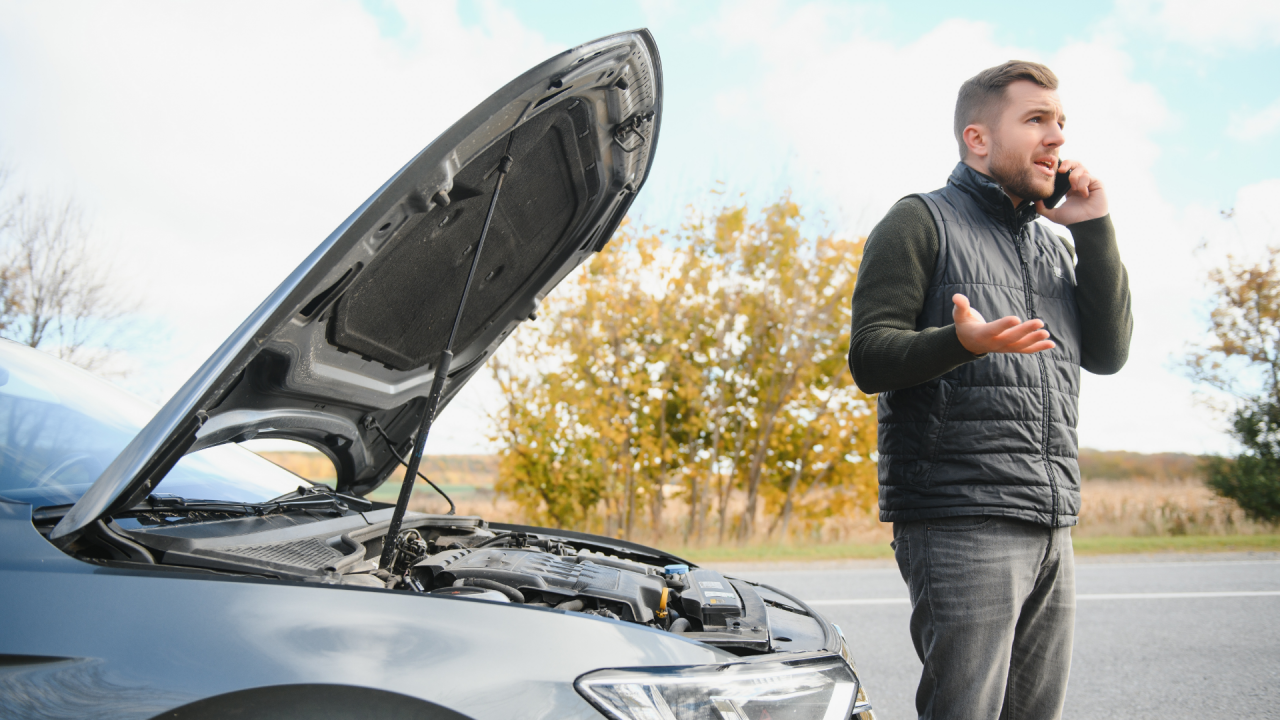

Modern vehicles are equipped with advanced technology, sophisticated electronics, and complex mechanical systems that make driving safer and more enjoyable. However, these innovations also make repairs significantly more expensive than they were just a decade ago. Whether you own a brand-new car, a certified pre-owned vehicle, or a high-mileage used car, unexpected repair bills can quickly strain your budget.
An extended car warranty provides valuable financial protection once your manufacturer’s warranty expires. It helps cover eligible repairs on major vehicle components, allowing you to enjoy greater peace of mind and more predictable ownership costs.
If you’re considering purchasing an auto extended warranty in 2026, understanding how these protection plans work is essential. This comprehensive guide explains everything you need to know before making your decision.
Table of Contents
ToggleWhat Is an Extended Car Warranty?
An extended car warranty is a vehicle service contract that helps pay for certain repairs after your manufacturer’s warranty expires. Unlike a factory warranty that comes with a new vehicle, an extended warranty can continue protecting major vehicle systems for additional years or mileage.
Depending on your chosen plan, coverage may include repairs for:
- Engine components
- Transmission
- Drive axle
- Electrical systems
- Steering
- Suspension
- Air conditioning
- Fuel system
- Cooling system
Rather than paying thousands of dollars for unexpected repairs, your warranty helps cover eligible repair costs according to the contract terms.
How Does an Extended Car Warranty Work?
When a covered mechanical breakdown occurs, the claims process is generally straightforward.
Most providers follow these steps:
Vehicle Inspection
A certified repair facility diagnoses the issue.
Claim Authorization
The repair shop contacts the warranty provider for approval.
Covered Repairs
If the repair falls under your contract, the provider pays for eligible repairs, minus any deductible if applicable.
You’re Back on the Road
Once repairs are completed, you can continue driving with confidence.
A reputable auto extended warranty provider makes this process simple and transparent.
Why More Drivers Are Buying Extended Car Warranties in 2026
Vehicle ownership has become increasingly expensive. Repair costs continue rising because of:
Advanced Automotive Technology
Today’s vehicles include:
- Driver assistance systems
- Digital dashboards
- Touchscreen infotainment
- Adaptive cruise control
- Lane-keeping technology
- Electronic sensors
These components require specialized diagnostics and expensive replacement parts.
Rising Repair Costs
Labor rates continue increasing across the United States. Even common repairs now cost significantly more than they did a few years ago.
Longer Vehicle Ownership
Many Americans are keeping their vehicles for 10 years or longer. The longer you own a vehicle, the greater the chance of major mechanical failures.
Inflation
Higher labor costs and supply chain disruptions have increased automotive repair expenses, making vehicle protection more valuable than ever.
What Does an Extended Car Warranty Typically Cover?
Coverage depends on your specific contract, but comprehensive plans often include protection for major systems.
Engine Protection
Engine repairs are among the most expensive vehicle repairs.
Coverage may include:
- Pistons
- Oil pump
- Timing chain
- Cylinder heads
- Internal lubricated parts
Transmission Coverage
Transmission failures can easily cost thousands of dollars.
Plans often cover:
- Torque converter
- Transmission housing
- Internal gears
- Transmission pump
Electrical Components
Modern vehicles depend heavily on electronics.
Coverage may include:
- Starter motor
- Alternator
- Electronic control modules
- Power window motors
- Wiring components
Air Conditioning System
Repairs may include:
- Compressor
- Condenser
- Evaporator
- Blower motor
Drive Axle
Coverage commonly includes:
- Axles
- Bearings
- Differential
- CV joints
Steering and Suspension
Many plans also cover:
- Steering gear
- Rack and pinion
- Control arms
- Ball joints
- Suspension components
What Isn’t Covered?
Understanding exclusions is just as important as understanding coverage.
Most extended car warranties do not cover:
- Oil changes
- Tire rotations
- Brake pads
- Windshield wipers
- Cosmetic damage
- Upholstery
- Routine maintenance
- Accidents
- Misuse or neglect
- Pre-existing conditions
Always review your service contract carefully before purchasing.
Types of Extended Car Warranty Plans
Not every driver needs the same level of protection.
Powertrain Coverage
Protects essential components like:
- Engine
- Transmission
- Drive axle
Ideal for budget-conscious drivers.
Stated Component Coverage
Protects a list of specific vehicle components identified in the contract.
Comprehensive Coverage
Often called exclusionary coverage.
This provides the highest level of protection by covering nearly every mechanical and electrical component except listed exclusions.
High-Mileage Coverage
Designed specifically for older vehicles with higher mileage.
These plans help drivers extend the life of aging vehicles while reducing repair costs.
When Should You Buy an Extended Car Warranty?
The best time to purchase an extended warranty is before your factory warranty expires.
Buying early may provide:
- More plan options
- Lower pricing
- Better eligibility
- Longer protection
Waiting until your vehicle develops mechanical problems may limit your coverage options.
Who Benefits Most from Extended Warranty Coverage?
While almost every driver can benefit, extended warranties are particularly valuable for:
Owners Near Factory Warranty Expiration
Protection begins where manufacturer coverage ends.
Used Car Owners
Older vehicles have a greater chance of mechanical failures.
High-Mileage Drivers
More miles usually mean greater wear on expensive components.
Families
Unexpected repair bills can disrupt household budgets.
Warranty protection helps reduce financial uncertainty.
Long-Term Vehicle Owners
Drivers planning to keep their vehicles for many years often receive the greatest value.
Important Factors to Consider Before Buying
Before purchasing an auto extended warranty, evaluate the following:
Coverage Details
Understand exactly what is covered.
Provider Reputation
Choose a company with strong customer reviews and transparent service.
Claims Process
A simple claims process saves time during stressful situations.
Repair Shop Flexibility
Verify whether you can use your preferred repair facility.
Deductibles
Compare deductible options and determine which fits your budget.
Contract Length
Review:
- Years covered
- Mileage limits
- Waiting periods
Transferability
Transferable warranties may increase resale value if you sell your vehicle.
Common Mistakes to Avoid
Many buyers make avoidable mistakes.
Avoid these common errors:
Choosing the Cheapest Plan
Lower prices often mean limited coverage.
Ignoring Exclusions
Always understand what isn’t covered.
Not Reading the Contract
Know your deductibles, waiting periods, and limitations.
Waiting Too Long
Coverage options become more limited as vehicles age.
Buying Without Comparing Providers
Research customer satisfaction, reputation, and claim handling before making your decision.
Why Drivers Choose Auto Advantage
Choosing the right warranty provider is just as important as choosing the right coverage.
At Auto Advantage, we understand that every driver has different needs. That’s why we offer dependable vehicle protection plans designed to provide financial security, transparent coverage, and exceptional customer support.
Whether you own a newer vehicle, a used car, or a high-mileage vehicle, our goal is to help you find the right extended car warranty that fits your budget and driving habits.
Our experienced team is committed to making the warranty selection process simple, helping you drive with confidence knowing you’re protected from costly unexpected repairs.
Frequently Asked Questions
Is an extended car warranty worth buying in 2026?
For many drivers, yes. Rising repair costs and increasingly complex vehicle technology make extended warranty coverage a smart financial investment.
What does an extended car warranty usually cover?
Most plans cover major vehicle systems such as the engine, transmission, drive axle, electrical components, steering, suspension, and air conditioning.
Can I buy an extended warranty for a used vehicle?
Yes. Many providers offer specialized protection plans designed specifically for used vehicles.
Does an extended warranty cover maintenance?
No. Routine maintenance such as oil changes, brake pads, filters, and tire rotations are generally not included unless specifically stated.
When is the best time to purchase an extended warranty?
The ideal time is before your factory warranty expires, while your vehicle is still eligible for the widest range of coverage options.
Can I choose my own repair shop?
Many warranty providers allow repairs at licensed repair facilities. Always review your contract for repair network details.
Does an extended warranty increase resale value?
Yes. Transferable warranty coverage can make your vehicle more attractive to potential buyers.
Drive with Confidence—Protect Your Investment Today
Unexpected vehicle repairs can happen without warning, and today’s repair costs are higher than ever. Investing in the right extended car warranty is one of the smartest ways to protect both your vehicle and your finances.
At Auto Advantage, we’re dedicated to helping drivers find reliable, affordable vehicle protection plans that fit their needs and budget. Whether you’re purchasing coverage for a new vehicle, a used car, or a high-mileage automobile, our team is here to help you make an informed decision.
Contact Auto Advantage today to explore your extended car warranty options and enjoy the confidence that comes with dependable vehicle protection for years to come.